
Hurricane & Named Storm Insurance Claim Attorneys
 (305) 858-2220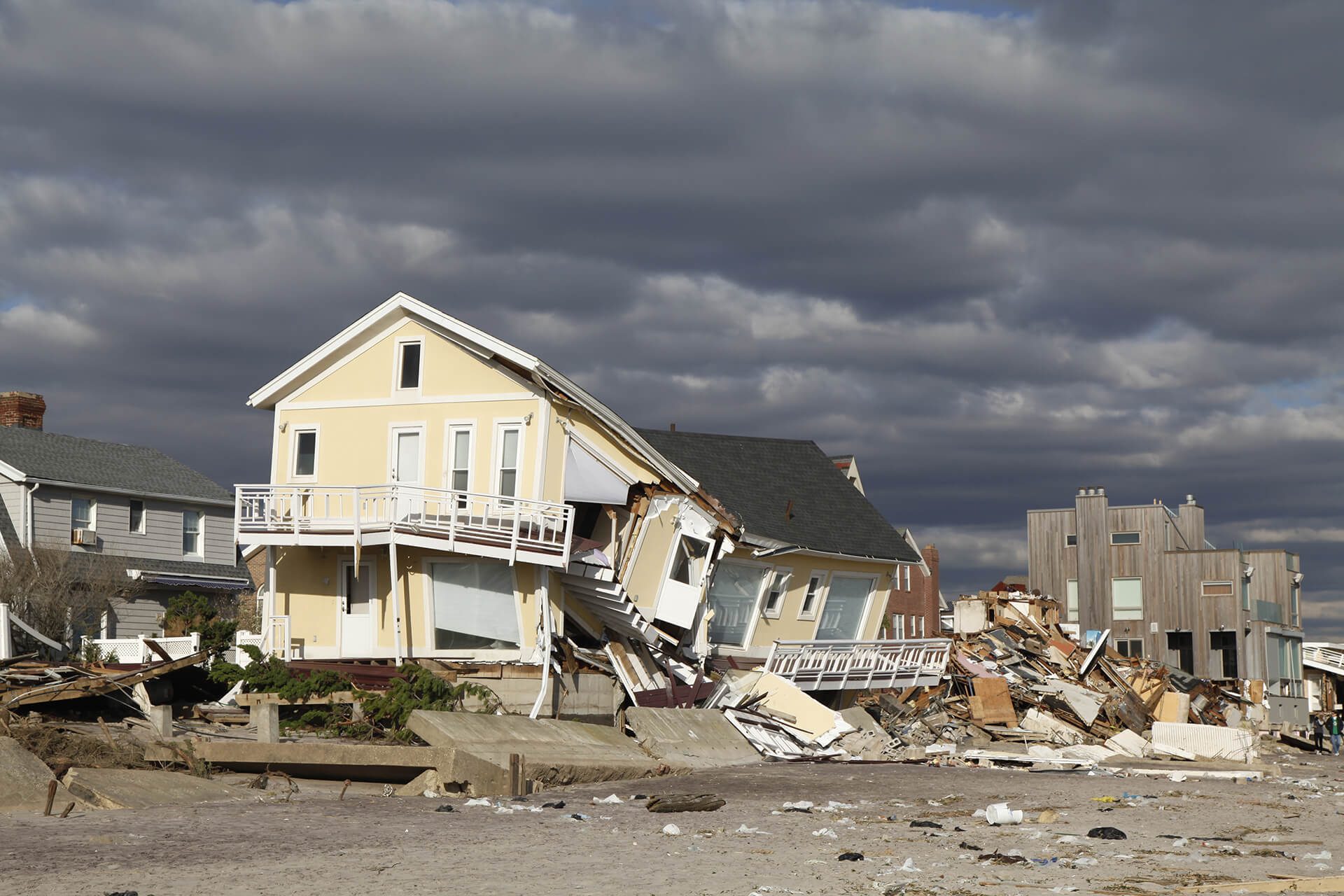

Help With Denied or Underpaid Hurricane Insurance Claims
Hurricane and named-storm claims can involve wind damage, roof and exterior damage, water entering through storm-created openings, debris removal, temporary repairs, and code-related costs. Disputes often arise when the insurer separates these parts of the loss, attributes damage to wear or prior conditions, or calculates the deductible and repair scope differently from the policyholder.
KKP represents policyholders whose hurricane claims have been denied, delayed, or underpaid. We review the policy, deductible provisions, insurer estimates, inspection and engineering reports, photographs, repair records, and storm timeline to identify what is driving the disagreement.
At Kandell, Kandell & Petrie, we approach hurricane and named storm claims by examining how the storm unfolded, how damage developed over time, and how the policy applies to each component of the loss. That structured evaluation allows us to identify coverage issues early, clarify points of disagreement, and guide the claim toward resolution with a clear, informed strategy.
To discuss your situation, contact us for a consultation.
Why Hurricane Claims Get Denied or Underpaid
Hurricane and named storm claims are often disputed due to insurers’ restrictive interpretations of policy language, storm sequencing, and valuation methods. Denials or underpayments usually stem from carriers’ definitions of causation, deductibles, and scope, rather than from the storm’s severity. We frequently encounter these patterns when evaluating or advising on denied or underpaid hurricane claims.
Common reasons hurricane and storm damage insurance claims are denied or undervalued include:
- Causation disputes:
Insurers may claim damage is due to wear and tear, deferred maintenance, or pre-existing conditions rather than storm-related wind. This is common with roof and exterior envelope damage, where carriers may downplay wind involvement despite supporting storm conditions. These disputes often depend on documentation, storm data, and the quality of reinspections or engineer reports. - Named storm deductible confusion:
Hurricane policies often use a named storm deductible based on a percentage of the insured value rather than a flat amount. Policyholders may be surprised by how much this reduces or eliminates payments, especially if applied incorrectly or without a clear explanation. Misapplication of this deductible often leads to underpaid claims. - Low scopes and missing line items:
Even when coverage is acknowledged, insurers may issue estimates that omit key components of the loss. Roofing systems, drywall, flooring, cabinetry, and other materials affected by water intrusion are commonly undervalued or excluded. These low scopes can materially understate the true cost of repair, particularly in multi-unit or association-managed properties. - Depreciation and valuation disputes (ACV vs. RCV):
Carriers may withhold payments by applying excessive depreciation or misclassifying damage as non-repairable wear. Disputes often concern whether depreciation was appropriate, whether recoverable depreciation is delayed, or whether the policy supports replacement cost value rather than actual cash value. - Late notice or documentation gaps:
Insurers may deny or limit claims due to delays in reporting or incomplete proof-of-loss documentation. Missed deadlines, unclear communication, or inconsistent records can give carriers grounds to dispute valid parts of a claim. - Multiple adjusters and repeated reinspections:
Hurricane claims often change hands multiple times, resulting in inconsistent evaluations and shifting positions. Repeated reinspections can reset the scope, introduce new exclusions, or delay resolution, particularly when findings are not reconciled with earlier reports or storm evidence.
When these issues occur, resolution often requires more than a revised estimate. We assess whether tools such as the appraisal clause, mediation, arbitration, or structured negotiation are appropriate based on the policy and jurisdiction. As a team focused on insurance disputes, we methodically review denials and underpayments to clarify coverage and move claims toward resolution.
What to Do After Hurricane Damage
Actions taken in the days and weeks after a hurricane can significantly affect how a claim is evaluated. Disputes often result from documentation gaps, unclear timelines, or disagreements about the loss’s timing and cause. We recommend a disciplined, record-driven approach from the start, especially if a claim is denied or underpaid.
Key actions to prioritize after hurricane damage include:
- Document damage immediately:
Photograph and record all visible damage as soon as conditions allow. This includes roof damage, exterior envelope impacts, interior water intrusion, and debris throughout the property. Time-stamped photos and videos help establish storm causation, particularly when wind-driven rain or delayed water entry is disputed. - Mitigate and protect the property where appropriate:
Take reasonable steps to prevent additional damage, such as temporary roof coverings or water diversion. These efforts should be limited to protection and stabilization, not permanent repairs, and should be documented carefully. - Preserve receipts and temporary repair records:
Keep all invoices, receipts, and contracts related to emergency services, temporary repairs, and debris removal. These costs are frequently scrutinized and may be limited by policy language, making accurate records critical. - Create a clear storm and claim timeline:
Keep a written record of the storm event, damage discovery, notice to the insurer, inspections, and communications. A clear timeline is crucial if insurers raise late-notice defenses or challenge the sequence of damage. - Request written scopes and payment explanations:
Ask for written estimates, scope summaries, and explanations of any payments, including how the named storm deductible was calculated. Written records help identify low scopes, missing items, or depreciation issues early. Always confirm clarifications in writing, especially if reinspections or engineer involvement are expected.
We regularly see hurricane damage insurance claims become more difficult to resolve when these foundational steps are missed. Our role as storm damage insurance claim lawyers begins with organizing this information into a clear record that supports coverage, addresses documentation gaps, and advances the claim.
The outcome often turns on how precisely the loss is evaluated, not just whether damage occurred. We assess each storm-damage insurance claim as a fact-driven sequence of events, grounded in policy language, documentation, and objective storm data. That disciplined approach allows us to identify why a hurricane claim was denied or why an underpaid hurricane claim failed to reflect the true scope of loss.
Our evaluation includes:
- Policy review and deductible analysis:
Hurricane policies often apply a named-storm deductible calculated as a percentage of the insured value rather than a flat amount. We examine how that deductible was triggered and applied, and whether its use aligns with the policy terms and the timing of the storm event. - Review of denial letter, estimates, and payment records:
We evaluate how the carrier addressed causation, depreciation, exclusions, and valuation. Low scopes, missing items, or unsupported exclusions, especially for roof or exterior damage, are often identified here. - Understanding claim history and inspection timeline:
Multiple adjusters, reinspections, or late engineer involvement can create inconsistencies that affect coverage. We analyze inspection and engineer reports to determine whether conclusions are supported or conflict with prior findings. - Examination of photographic and video evidence:
We review photos and videos to assess how damage developed, where water intrusion occurred, and whether wind-driven rain or storm forces caused interior loss. We compare this evidence with weather data, storm tracks, and timing to support or challenge causation. - Identification of scope gaps or misapplied exclusions:
We examine whether damage categories were omitted, improperly depreciated, or excluded without justification. As a team focused on insurance disputes, we use this evaluation to clarify disagreements and determine an appropriate path to resolution.
Options to Resolve Hurricane Claim Disputes
We evaluate the policy, the insurer’s position, and the claim record before recommending a resolution path. The appropriate option depends on whether the dispute involves coverage, causation, the amount of loss, or a combination of those issues
The process often includes the following resolution methods:
- Demand and structured negotiation:
After evaluating the policy, documentation, and storm data, we present the claim in a formal, organized manner. This step clarifies coverage issues, corrects scope deficiencies, and addresses valuation disputes, particularly for roof damage, water intrusion, or application of the named storm deductible. - Appraisal clause:
If coverage is accepted but the amount is disputed, the appraisal process may be available to address repair scope and cost. We assess if appraisal is appropriate based on policy language, the disagreement’s nature, and the claim’s status. - Mediation or arbitration:
Depending on the policy and applicable law, mediation or arbitration may also be available to address a broader dispute. We prepare claims for mediation or arbitration with the same rigor as litigation, using documentation, expert analysis, and storm evidence. These forums offer structured opportunities to resolve disputes without court proceedings. - Litigation:
We use litigation as a strategic tool when insurers refuse to address documented coverage or valuation deficiencies. Our trial readiness is essential, as carriers assess risk based on our ability to advance a claim through trial if needed.
Across all resolution paths, we select the approach that aligns with the claim’s facts, policy framework, and client objectives. We use preparation and leverage to pursue resolution, not escalation.
As hurricane insurance claim lawyers focused on insurance disputes, we use these questions to guide claim evaluation and resolution, bringing clarity to a process shaped by technical details and policy interpretation, not just storm severity.
Next Steps After a Hurricane Claim Dispute
When a hurricane or named storm insurance claim is disputed, clarity and structure matter. We begin with a disciplined evaluation of the policy, the insurer’s position, and the documentation developed to date, identifying where coverage, valuation, or procedural issues have affected the claim outcome. That early assessment allows us to determine whether a denied or underpaid hurricane claim can be addressed through targeted action rather than prolonged uncertainty.
Once retained, we manage the insurance process from start to finish. We handle communication with the carrier, organize supporting materials, and advance the claim through negotiation, appraisal, mediation, or arbitration. We set clear benchmarks so you know what is happening, what comes next, and how the claim is progressing.
At KKP, our focus is on resolving disputes efficiently and deliberately. When pre-suit resolution is possible, we pursue it with preparation and leverage. If further action is needed, we proceed with a strategy based on policy language, storm data, and trial readiness, making sure decisions are driven by substance.
Contact us to schedule a consultation.
Frequently
Asked Questions

A named storm deductible is a separate deductible that applies when damage results from a storm officially named by the National Weather Service. Unlike a flat deductible, it is often calculated as a percentage of the property’s insured value. This can significantly affect recovery in a hurricane-damage insurance claim, particularly when the deductible is applied broadly to wind, roof, or water intrusion. We review how and when the named storm deductible was triggered to determine whether it was applied correctly under the policy.
Insurers frequently attribute hurricane-related damage to wear and tear or lack of maintenance to avoid paying for repairs tied to a sudden storm event. This is common in roof damage and exterior envelope failures, where carriers argue that deterioration, rather than wind-driven forces, is the cause. These positions are often disputed through documentation, reinspection findings, and, when necessary, an engineer’s report that addresses storm causation.
Yes. An underpaid hurricane claim can often be challenged when the insurer’s scope omits damaged components, applies excessive depreciation, or undervalues repairs. Disputes typically focus on missing line items, improper valuation methods, or unsupported exclusions. We evaluate the policy, estimates, and proof of loss documentation to determine whether the payment aligns with the documented damage.
An appraisal can be an effective tool when the insurer agrees that the damage is covered but disputes the amount of the loss. The appraisal clause allows each side to present valuation positions to determine the appropriate cost to repair or replace damaged property. We assess whether appraisal is appropriate based on the nature of the disagreement, the policy language, and the overall strategy for resolving the storm-damage insurance claim.
Some policies or state-specific procedures may require mediation, arbitration, or another pre-suit step before litigation. Whether a process is mandatory, and what issues it can decide, depends on the policy and the law that applies.
Strong documentation is critical in any hurricane insurance claim. This typically includes photographs and videos of damage, repair estimates, receipts for temporary repairs or debris removal, and a detailed timeline of events. Proof of loss submissions and written communications with the insurer also play an important role, particularly when coverage or valuation is disputed.
Weather data helps establish when and how storm conditions affected a property. Insurers rely on storm tracks, wind speeds, and timing to evaluate causation and apply deductibles. We use weather data to correlate reported damage with documented storm conditions, which can be essential when a hurricane claim is denied or when causation is challenged.
States Served
We represent clients in property insurance disputes across multiple jurisdictions, with experience navigating the state-specific frameworks that govern claim handling, pre-suit procedures, and dispute resolution.
While the core issues in insurance disputes often follow similar patterns, the process and available remedies can vary depending on where the property is located and which laws apply.

Colorado Property Insurance Claim Attorneys
600 17th St, Ste. 2800 South, Denver, CO 80202
Meetings with attorneys by appointment only.


Texas Property Insurance Claim Attorneys
1000 Main Street Suite 2300, Houston, TX 77002
Meetings with attorneys by appointment only.

In each state, we evaluate claims within the applicable legal and regulatory context, including policy language, statutory requirements, and procedural options. Where pre-suit mechanisms such as notice requirements, mediation, or appraisal are available, we incorporate them into the strategy when appropriate.
Our goal is a disciplined, jurisdiction-aware approach that supports efficient escalation while remaining aligned with the governing law.