Condo Association Insurance Claim Attorneys
 (305) 858-2220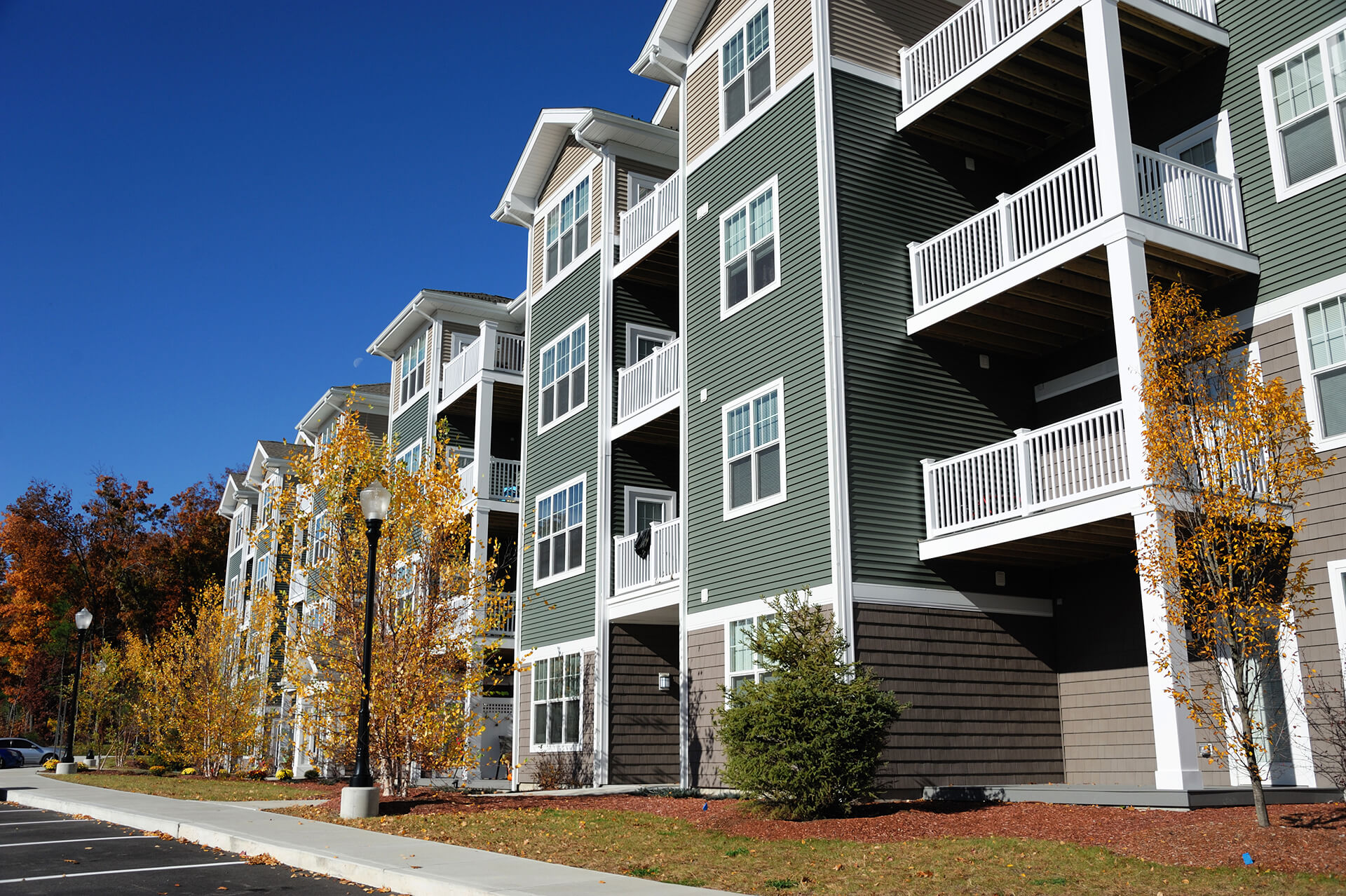
Property Insurance Representation for Condo Boards and Managers
When a condominium association suffers significant property damage, determining whether coverage exists is only the beginning. The board may also need to address repair scope, valuation, timing, unit-versus-association responsibility, and its obligations to property owners—all while coordinating repairs across multiple units and common areas.
Kandell, Kandell & Petrie represents condominium associations and their representatives in complex, high-value property insurance disputes throughout Florida, Louisiana, Colorado, and Texas. Our condominium association insurance claim lawyers handle denied, delayed, and underpaid claims involving hurricane damage, building-envelope failures, shared systems, common elements, and other significant property losses.
Condominium insurance claims are structurally different from single-family property claims. A loss may involve the association’s master policy, individual unit-owner policies, declarations and bylaws, common and limited common elements, shared building systems, and damage affecting multiple units. These overlapping policies and responsibilities can complicate who must report the loss, which property is covered, how repairs should be scoped, and how restoration should be coordinated.
KKP begins with a detailed review of the master policy and endorsements, relevant governing documents, insurer correspondence, engineering or damage reports, estimates, photographs, and repair plans. This allows our legal team to identify the coverage, causation, responsibility, scope, and valuation issues driving the dispute and develop a strategy based on the association’s policy language and documented loss.
We may become involved after a claim has been denied or underpaid, or earlier in the process to interpret the policy and help structure the claim submission. We work with the board, property manager, engineers, restoration professionals, and other relevant parties to maintain an organized claim record, coordinate supporting documentation, and protect the association’s position.
Once engaged, KKP manages communications with the insurance carrier and provides structured updates at defined stages of the matter. Our approach emphasizes careful preparation and pre-suit resolution when appropriate, while maintaining the readiness to pursue appraisal, mediation, arbitration, or litigation when required. This gives boards and property managers the clarity and strategic oversight needed to make informed decisions without carrying the administrative burden of the insurance dispute alone.
Do not allow delay to define the trajectory of your association’s claim. Contact us to engage a condo association insurance claim lawyer who approaches the process with structure, trial readiness, and clear communication benchmarks from the outset.
Why Condo Association Insurance Claims Are Structurally Different
A condo association property insurance claim does not unfold like a single-family loss. It is governed by layered documents, shared ownership interests, and legally binding bylaws that define responsibility across multiple parties. In many cases, the master policy covers the building structure and common elements, while individual unit owner policies respond to interior improvements or personal property. Overlapping coverage between these policies can create friction, particularly when damage implicates shared systems or transitions between unit boundaries. As condo association insurance claim lawyers, we begin with disciplined policy interpretation, analyzing the master policy, endorsements, and governing documents to clarify unit vs. association responsibility before disputes gain momentum.
Structural distinctions within the property itself further complicate the claim. Associations typically insure:
- Common elements:
Shared components such as roofs, exterior walls, lobbies, structural framing, elevators, and mechanical systems that serve the building as a whole. - Limited common elements:
Areas reserved for exclusive use, such as balconies, patios, or assigned parking spaces, where responsibility may hinge on specific declarations and bylaws. - Building envelope components:
Roofing assemblies, waterproofing systems, exterior façades, and window systems that often become focal points in hurricane damage condo association claims
When damage affects these components, valuation increases rapidly. Larger repair scopes, code considerations, and coordinated restoration across multiple units increase exposure. Insurers may narrow the scope, attribute damage to maintenance, or attempt to segment what is, in reality, an integrated structural loss. Underpaid condo association claims frequently stem from this fragmentation of scope.
Boards must navigate these disputes while honoring fiduciary duties and maintaining transparency with owners. Repair delays can intersect with recertification or inspection timelines following significant storm events, increasing pressure on property managers and board members.
Condominium claims demand more than advocacy; they require structured oversight. By approaching each HOA/COA insurance claim dispute with clarity and discipline, we help boards and property managers manage scale, governance dynamics, and carrier resistance without losing control of the process.
Common Condo Association Losses
- Hurricane and windstorm damage:
Roof assemblies, exterior façades, windows, and waterproofing systems are frequently compromised during major storm events. A hurricane damage condo association claim often implicates the building envelope as a whole, not isolated units. - Hail and roof damage:
Even moderate hail events can fracture membranes, dislodge protective surfacing, or accelerate deterioration. Disputes often arise over whether partial repair is sufficient or full system replacement is required. - Water intrusion and building envelope failures:
Improperly sealed joints, flashing failures, or façade breaches can lead to interior damage across stacked units. Carriers may attempt to isolate interior damage while minimizing the broader envelope failure. - Plumbing riser failures:
Shared-system failures may lead to plumbing and leak insurance claims involving multiple floors and unit-versus-association responsibility. - Fire and smoke damage:
A localized fire can produce extensive smoke migration through shared ventilation systems, electrical chases, and structural cavities. Scope disputes frequently focus on remediation standards and code compliance. - Structural damage:
Impact events, foundation movement, or storm-related structural compromise can implicate load-bearing components and require engineering evaluation. - Mechanical and electrical system failures:
Elevators, HVAC systems, switchgear, and shared infrastructure are essential common elements. Their impairment can significantly elevate valuation and urgency.
Condo association losses are rarely confined to a single component. They affect shared infrastructure, governance obligations, and long-term property integrity. By applying disciplined evaluation at each stage of the claim, we help boards avoid underpaid condo association claims that can delay restoration and expose the association to further risk.
Where Condo Association Insurance Claims Go Wrong
Most condo association property insurance claims do not collapse because coverage is entirely absent. They deteriorate through incremental narrowing of scope, causation, valuation, or responsibility. In an HOA/COA insurance claim dispute, these pressure points can delay restoration, create uncertainty for owners, and complicate board obligations. We approach these inflection points methodically, identifying where interpretation or valuation diverges from the master policy and documented damage.
Common breakdowns include:
- Scope disputes:
Disagreements over the extent of damage, repair methodology, or coverage responsibility often define the trajectory of a claim. - “Maintenance” arguments:
Coverage is frequently challenged by reframing sudden damage as deferred upkeep. - Unit vs. association responsibility conflicts:
Allocation disputes can complicate claims involving stacked units or shared systems. - Underpaid estimates that delay repairs: Even when coverage is acknowledged, valuation disputes can materially delay restoration.
These disputes rarely arise in isolation. A narrowed scope can influence valuation; causation framing can shift responsibility; delayed determinations can create pressure for inspection or recertification.
Our condo association insurance claim lawyers respond through disciplined policy interpretation, structured documentation, and, when necessary, strategic pre-suit engagement designed to correct misapplications of coverage without prematurely escalating.
Our objective is alignment between the policy language, the documented loss, and the repair standards required to restore the property. By identifying where a claim begins to drift off course, we position boards and property managers to regain control before delay becomes entrenched.
How We Support Condo Boards and Property Managers
Condominium associations require structure, foresight, and disciplined execution. Our condo association insurance claim lawyers serve boards and property managers. We approach each condo association property insurance claim with a defined strategy designed to restore control, preserve leverage, and move the claim forward efficiently.
Claims Strategy and Documentation Plan
Every matter begins with deliberate evaluation.
We do not escalate before we understand the contract and the loss:
- Policy interpretation:
We analyze the master policy, endorsements, and exclusions to clarify coverage parameters and identify how the carrier is applying the contract. - Timeline development:
We construct a clear chronology of the event, inspections, communications, and payments to identify gaps or inconsistencies. - Damage documentation:
We review photographs, reports, and repair estimates to ensure the scope reflects actual conditions, not a narrowed interpretation. - Expert coordination:
When appropriate, we work alongside engineers and building consultants to validate causation and reasonable repair standards
This structured foundation is critical in an HOA/COA insurance claim dispute where valuation and responsibility often intersect.
Vendor Coordination
Complex losses frequently involve multiple professionals.
We coordinate strategically rather than allowing competing narratives to develop:
- Engineers:
To assess structural impact, building envelope integrity, or storm-related causation. - Estimators:
To evaluate repair scope and pricing consistent with prevailing market standards. - Building consultants:
To review integrated systems and ensure the scope reflects the property as a whole. - Scope validation:
To confirm that proposed repairs align with code requirements and the association’s governing documents.
This coordinated approach reduces fragmentation and strengthens negotiation posture.
Structured Communication Benchmarks
Boards expect clarity at defined stages.
We organize our work around established benchmarks so you understand what is happening and when:
- Intake and evaluation:
Initial policy review, document collection, and strategic assessment. - Pre-suit engagement:
Formal representation and direct dialogue with the carrier. - ADR or appraisal (when available):
Structured dispute resolution mechanisms under state law or policy provisions. - Litigation (last resort):
Initiated only when necessary to protect the association’s position.
We use Clio to support milestone tracking and structured updates. In addition to system-supported communication, we provide direct updates at defined stages and deliver copies of all substantive submissions to the carrier. Boards are not required to request status reports; communication is built into the process.
We also prioritize efficiency. We do not allow claims to linger unnecessarily. Many matters resolve before filing suit, and even when litigation becomes necessary, we move cases forward with discipline rather than allowing them to stall.
Resolution Pathways
Our pre-suit resolution strategy is deliberate and measured.
We seek efficient outcomes without sacrificing leverage:
- Letter of representation and demand:
We formally assume control of carrier communications and outline the association’s position. - Statutory notice (state-dependent):
Where applicable, we utilize required pre-suit notice procedures to create structured dialogue. - Mediation:
Facilitated negotiation designed to narrow or resolve disputes. - Appraisal:
When the disagreement centers on amount of loss rather than coverage, we pursue appraisal where appropriate. - Litigation, if required:
When resolution cannot be achieved through earlier stages, we proceed with trial readiness from day one.
Trial readiness is strategic leverage. Insurance carriers evaluate risk at every stage, and preparedness often influences resolution long before a courtroom is involved. By combining high-touch service, structured benchmarks, and disciplined escalation, we help boards and property managers navigate complex claims with clarity and control.
What to Gather Before Escalation
When a condo association property insurance claim begins to stall or narrow, escalation should be deliberate. A structured record allows us to evaluate the master policy, assess carrier positioning, and determine whether a pre-suit strategy is appropriate. Gathering the following materials before consultation enables a disciplined review and avoids unnecessary delay.
We recommend organizing:
- Master policy and endorsements:
The full policy, including declarations pages and endorsements, defines coverage for common elements, structural systems, and any code upgrade provisions. Endorsements often shape how a hurricane damage condo association claim is evaluated. - Claim correspondence:
All written communication with the insurer, including inspection scheduling, information requests, and coverage updates, provides insight into the carrier’s evolving position. - Denial or partial-payment letters:
These documents explain how the insurer interprets coverage and may identify exclusions, deductibles, or valuation methods that affect the claim. - Repair estimates:
Contractor or estimator proposals help us compare the association’s documented scope against the insurer’s position, particularly in an underpaid condo association claim. - Engineering reports (if available):
Structural or building envelope assessments may clarify causation, system integration, and code considerations. - Photographs and videos:
Visual documentation taken immediately after the loss and during inspections helps preserve context and condition. - Timeline of events: A clear chronology of the incident, reporting date, inspections, payments, and communications allows us to evaluate delay and compliance issues.
- Board meeting minutes related to damage:
Minutes reflecting repair discussions or owner impact may be relevant in assessing governance obligations and transparency. - Owner impact summary:
A concise overview of affected units, common elements, or mechanical systems helps contextualize the scale of the loss. - Prior repair history (if relevant):
Documentation of past maintenance or improvements can address potential “maintenance” arguments raised in an HOA/COA insurance claim dispute.
This checklist is not about creating volume; it is about creating clarity. With an organized record, we can analyze policy language, evaluate scope alignment, and determine whether structured pre-suit engagement or another resolution pathway is warranted. A measured approach protects the association’s position while preserving leverage for efficient resolution.
Strategic Representation for Complex Condo Association Claims
Condominium insurance claims require disciplined oversight. At KKP, we represent condominium associations, condo representatives, and professional decision-makers in complex property insurance claims involving denied, delayed, or underpaid coverage. From policy interpretation under the master policy to scope analysis of common elements, building envelope systems, and mechanical infrastructure, we manage each matter with a structured strategy and defined communication benchmarks.
We take over all communication with the carrier, coordinate with engineers and consultants where appropriate, and implement a pre-suit resolution plan designed to create leverage while protecting the association’s long-term position.
If your board is confronting a hurricane damage claim, a scope dispute, or an underpaid claim, timing influences leverage. Early, strategic involvement can prevent incremental narrowing that complicates restoration and governance obligations. Engage a condo association insurance claim lawyer who approaches your matter with precision, trial readiness, and high-touch attention.
Contact us to evaluate your association’s position and move the claim forward with clarity and control.
Frequently
Asked Questions

The appropriate claimant depends on what was damaged, the policy language, and how the condominium’s governing documents allocate responsibility. The association may submit a claim under the master policy for covered building property and common elements, while unit owners may rely on their individual policies for personal property and certain interior components or improvements. Responsibility can overlap when water intrusion, shared systems, or a single loss affects multiple units. We review the master policy, individual policy considerations, and governing documents to clarify unit-versus-association responsibility and help prevent coverage and repair disputes.
If the insurer acknowledges coverage but proposes a limited repair scope, the issue often becomes one of valuation and proper restoration standards. In an underpaid condo association claim, narrowed scope can delay repairs and create operational pressure for the board. We evaluate the policy language, compare the carrier’s estimate against independent assessments, and structure a written response that addresses deficiencies directly. When necessary, we initiate a disciplined pre-suit strategy to realign the claim with the coverage purchased.
In many jurisdictions, appraisal or mediation can provide structured pathways to resolve disputes without immediate litigation. Appraisal typically addresses disagreements over the amount of loss, while mediation can encompass broader coverage or scope issues. Availability and procedures depend on the policy language and state law governing the condo association property insurance claim. We assess whether alternative dispute resolution strengthens the association’s leverage before considering formal litigation.
States Served
We represent clients in property insurance disputes across multiple jurisdictions, with experience navigating the state-specific frameworks that govern claim handling, pre-suit procedures, and dispute resolution.
While the core issues in insurance disputes often follow similar patterns, the process and available remedies can vary depending on where the property is located and which laws apply.
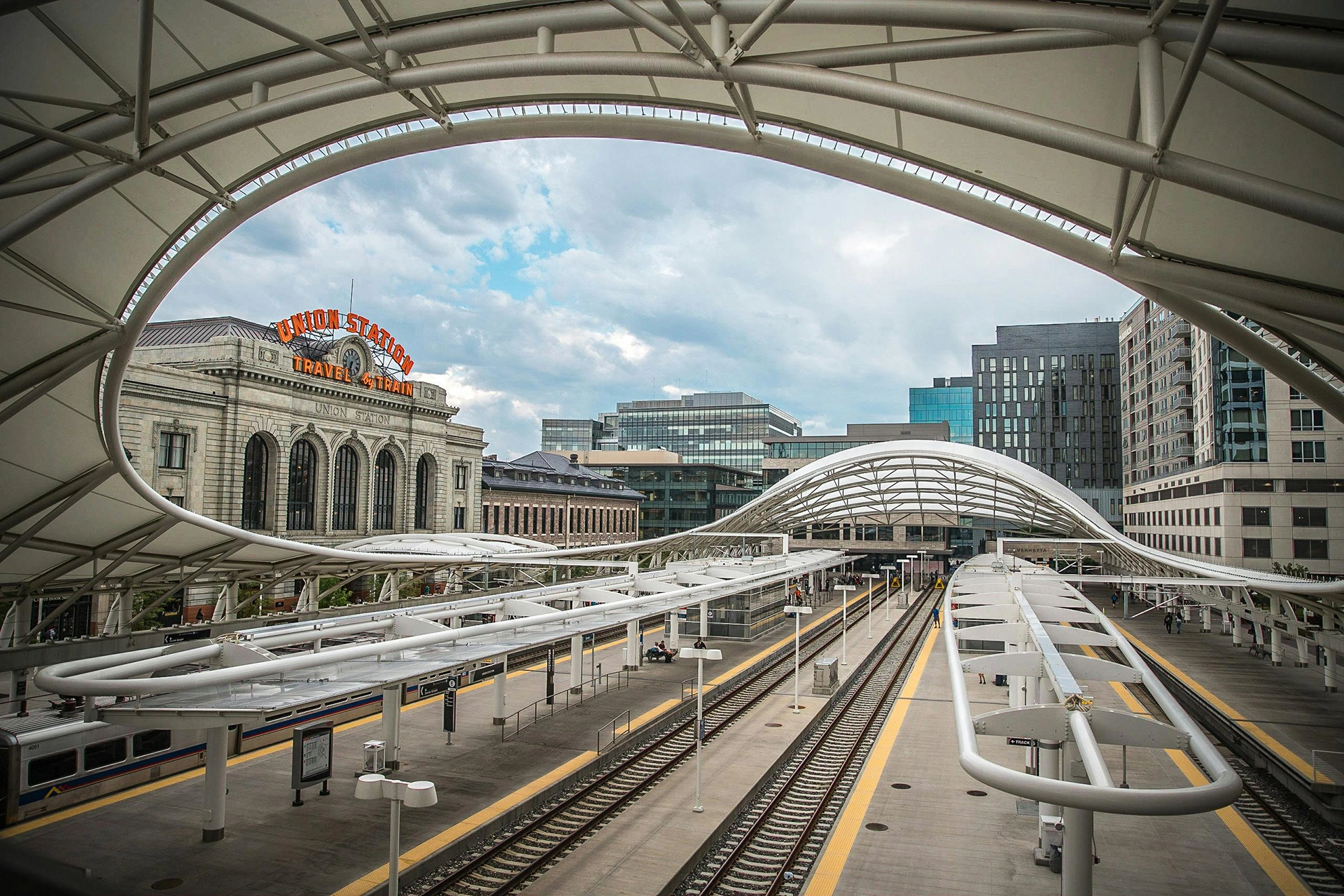
Colorado Property Insurance Claim Attorneys
600 17th St, Ste. 2800 South, Denver, CO 80202
Meetings with attorneys by appointment only.

Texas Property Insurance Claim Attorneys
1000 Main Street Suite 2300, Houston, TX 77002
Meetings with attorneys by appointment only.

In each state, we evaluate claims within the applicable legal and regulatory context, including policy language, statutory requirements, and procedural options. Where pre-suit mechanisms such as notice requirements, mediation, or appraisal are available, we incorporate them into the strategy when appropriate.
Our goal is a disciplined, jurisdiction-aware approach that supports efficient escalation while remaining aligned with the governing law.