Plumbing & Leak Insurance Claim Attorney
 (305) 858-2220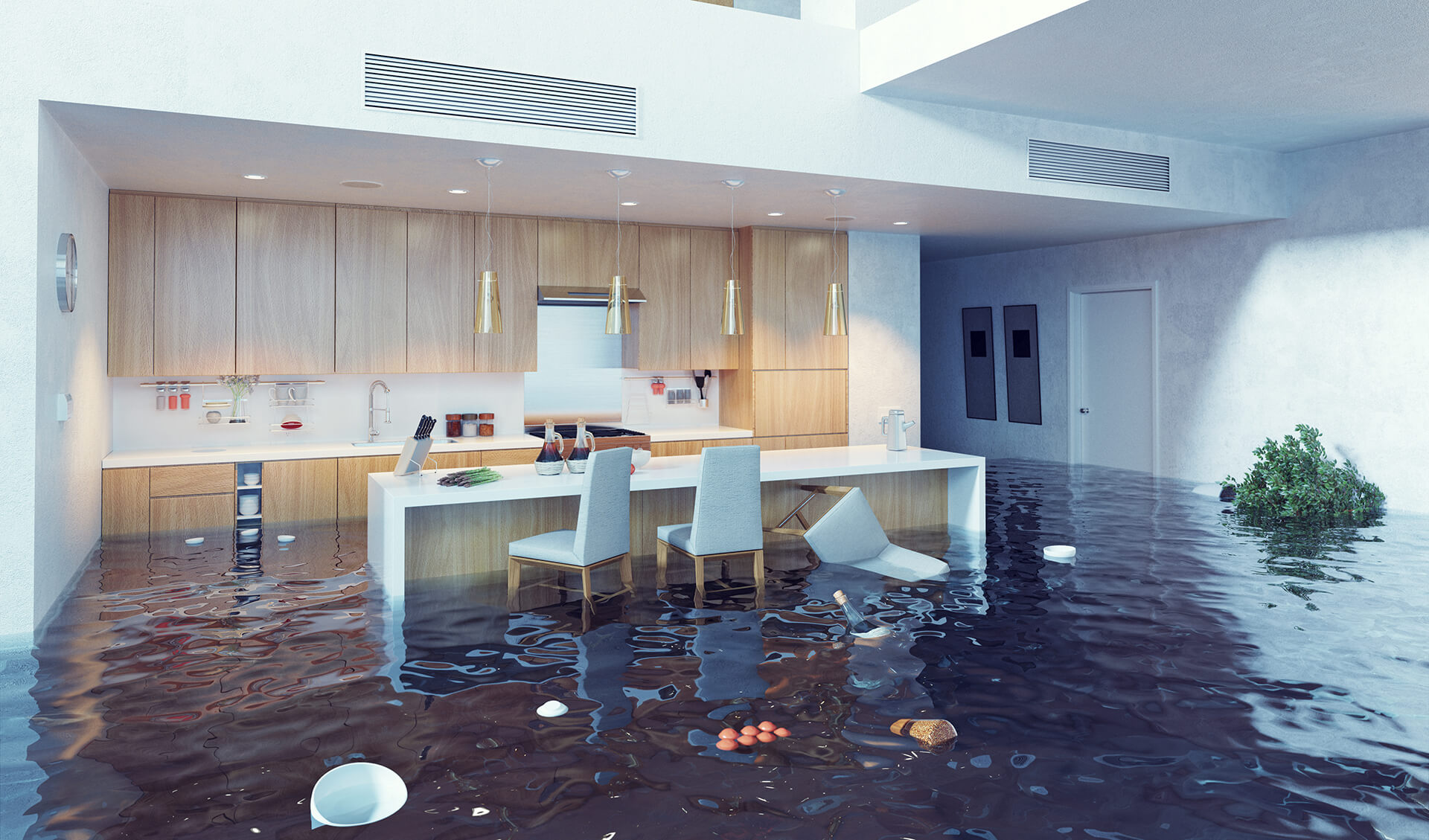

Help With Denied or Underpaid Plumbing Leak Claims
Plumbing leaks and pipe bursts are common causes of water damage insurance claims. Even when the water damage is obvious, disputes can arise over whether the leak was sudden or developed over time, whether the policy covers access and tear-out, and whether the insurer’s estimate includes the full scope of necessary repairs.
At Kandell, Kandell & Petrie, we represent policyholders in property insurance claim disputes involving burst pipes, failed supply lines, slab leaks, appliance leaks, and other plumbing failures. We review the policy, denial letter or payment estimate, claim file, photographs, plumber and mitigation reports, and repair documentation to determine what is driving the dispute.
Plumbing leaks in condominium buildings can be especially complicated when the damage affects multiple units, shared plumbing systems, or common areas. KKP also represents condominium associations in property insurance claims involving questions about the source of the loss, the extent of the damage, and responsibility under the applicable policies.
If your plumbing or leak claim was denied or underpaid, Kandell, Kandell & Petrie can review your policy, claim file, and supporting documents to determine the next steps. Contact us today.
When Does Insurance Cover a Plumbing Leak?
Whether a plumbing leak is covered usually depends on how the water was released, how long the condition existed, and what the policy says about the resulting damage. Most policies treat a sudden pipe failure differently from water that escaped gradually over an extended period.
A sudden and accidental discharge may include a pipe that bursts unexpectedly or a supply line that abruptly fails. Depending on the policy, coverage may apply to the resulting water damage and some of the work required to reach the failed plumbing. Coverage for repairing or replacing the failed pipe itself may be treated differently.
Insurers frequently deny claims when they conclude that the water escaped slowly or repeatedly over time. They may rely on exclusions involving seepage, deterioration, wear and tear, or maintenance.
The distinction is not always obvious, particularly when a leak was concealed behind a wall or beneath a floor. Photographs, plumber reports, mitigation records, and a clear timeline can help establish when the leak was discovered and what conditions were observed.
Certain situations, such as backups or overflows involving drains, sewers, or toilets, may be subject to specific endorsements or sublimits instead of coverage under the main policy provisions. The applicability and extent of these endorsements depend on the policy language in effect at the time of loss.
Because insurance policies are drafted by insurers, coverage determinations often depend on precise wording and definitions. We review plumbing insurance claims with close attention to policy language, cause of loss, and the factual timeline to determine how coverage applies.
Common Plumbing and Leak Scenarios That Lead to Claims
Plumbing and leak claims can arise from various sources within a property. These claims often depend on the leak’s origin and whether the event was sudden or ongoing.
Common scenarios that lead to insurance claims include:
- Pipe burst or supply line failure:
A sudden break in a water supply line, whether behind a wall, under a sink, or within a ceiling, can release a large volume of water in a short period. Insurers often focus on whether the failure was abrupt or the result of gradual deterioration. - Appliance line leaks:
Washing machines, refrigerators, dishwashers, and similar appliances are typically connected by small supply lines that can crack, loosen, or disconnect. Disputes may arise over when the leak began and whether the damage reflects a single event or repeated leakage. - Slab leaks:
Leaks beneath a concrete slab are often difficult to detect until damage becomes visible. These claims often involve disputes over duration, access to the plumbing, and whether the leak qualifies as sudden and accidental. - Shower pan failures:
Water intrusion related to shower pans or waterproofing systems often gives rise to disputes over causation. Insurers may argue that damage stems from construction defects or long-term seepage rather than a covered plumbing failure. - Toilet overflows:
Overflows involving toilets may be handled differently based on policy and applicable endorsements. Coverage can vary based on the source of the overflow and whether backup or overflow provisions apply. - Drain line leaks:
Leaks in drain or waste lines can raise complex cause-of-loss questions. Because these systems do not carry pressurized water, insurers may scrutinize whether the resulting damage developed over time or is tied to a discrete failure event.
These scenarios illustrate why leaking pipe insurance claims are evaluated on a case-by-case basis, with close attention to the water source, timing, and policy language.
Why Plumbing and Leak Claims Get Denied or Underpaid
Plumbing leak claims can become disputed for several different reasons. A denied insurance claim generally involves the insurer concluding that the policy does not cover the loss. An underpaid insurance claim arises when some coverage is accepted, but the payment does not reflect the documented scope or cost of the necessary repairs.
Denial reasons include:
- Long-term or repeated seepage allegations:
Insurers frequently assert that a leak developed gradually over time rather than occurring suddenly. When a loss is characterized as continuous or repeated seepage, carriers may rely on exclusions that remove coverage for damage alleged to have existed prior to the claim’s reporting. - Wear and tear or maintenance exclusions:
Policies often exclude damage caused by deterioration, corrosion, or lack of maintenance. Carriers may argue that a plumbing failure stemmed from aging components or preventable conditions, even when the resulting water release appears abrupt. - Late notice or delayed reporting:
Many policies require prompt notice of a loss. If an insurer believes the leak existed before it was reported, it may contend that delayed notice prejudiced its ability to investigate and use that position to deny or reduce payment. - Failure-to-mitigate arguments:
Insurers commonly evaluate the speed with which drying and remediation efforts began. When mitigation is delayed or questioned, carriers may reduce payment for portions of the damage they claim could have been avoided. - Tear-out and access limitations:
Even when some coverage is acknowledged, insurers may limit or exclude payment for tearing out walls, floors, or slabs to access the failed plumbing. Disputes often arise over the scope of required access and whether it falls within the policy’s coverage. - Scope of loss disputes:
Underpayments often arise when the insurer’s estimate omits damaged flooring, drywall, cabinetry, tear-out, or other necessary work. The amount offered may also depend on how the insurer applies actual cash value or replacement cost value and calculates depreciation. - Mold sublimits and remediation disputes:
When moisture causes mold growth, insurers often apply specific sublimits or restrictions. Disagreements may arise over whether mold remediation is necessary, how it should be performed, and how the sublimit affects the overall claim value. - Matching and continuous materials issues:
When continuous flooring, cabinetry, or other materials are damaged, the insurer may propose replacing only the directly affected section. Disputes involving matching or cosmetic damage exclusions often focus on whether a partial repair will reasonably restore the property’s appearance and function.
These mechanisms reflect how plumbing and leak claims can be narrowed or undervalued, even when a water event is undisputed. Understanding how insurers apply these positions is often critical to evaluating whether a claim has been properly handled under the policy.
What to Do After Discovering a Leak
When you discover a plumbing leak, early actions often shape how the claim is evaluated. The goal is to stop the source, reduce avoidable damage, and preserve clear documentation that supports the cause, timeline, and scope of loss.
After discovering a leak:
- Stop the water source:
Shut off the appropriate valve and contact a plumber to locate and stop the leak. If the source is not immediately identifiable, document your observations and the steps taken to investigate. - Document the source and visible damage:
Take photos and videos of the suspected origin, surrounding conditions, and all visible damage. Include wide shots for context and close-ups of affected materials such as drywall, flooring, cabinetry, and baseboards. - Preserve damaged materials until documented:
If materials must be removed for drying or access, photograph them first and keep samples when possible. This is important if the carrier later disputes whether the damage was sudden or long-term. - Initiate mitigation and retain invoices:
Begin drying and remediation promptly to reduce further damage. Keep contracts, invoices, drying logs, moisture readings, and related documentation from mitigation vendors. - Build a clear discovery-to-action timeline:
Record when the leak was first noticed, what led to its discovery, and each subsequent action. A consistent timeline is critical when insurers evaluate notice and duration. - Obtain a written plumber report when available:
Request a report identifying the leak location, failed component, observed conditions, and findings on whether the release was sudden or developed over time. If repairs required tear-out, document the access work and revealed conditions. - Request a line-item explanation if payment is unclear:
If the insurer issues a partial payment or incomplete estimate, request a line-item breakdown and written clarification of what was included, excluded, and the reasons for each.
Our proof of loss and documentation checklist provides a more complete list of the photographs, reports, estimates, receipts, and communications that may help support a disputed claim.
Avoid Missteps
Do not discard materials prematurely. Removed components and photographs taken before disposal may be important if the cause or duration is later disputed.
Do not rely on verbal explanations from the insurer. Request written confirmation of coverage positions, scope decisions, and the basis for any exclusions or limitations.
Evidence That Matters in Plumbing Leak Disputes
In plumbing and leak disputes, documentation often determines how a claim is evaluated and whether a denial or underpayment can be effectively challenged. Because insurers frequently question the cause, duration, and scope of a leak, timely records and technical evidence are essential.
Evidence that can help your pipe burst insurance claim includes:
- Plumber reports addressing cause and duration:
A written plumber report is often central to a plumbing leak dispute. Reports that identify the failed component, the leak location, and observable indicators of whether the release was sudden or developed over time can directly affect how the insurer applies policy exclusions or coverage. - Moisture mapping and drying logs:
Mitigation records, including moisture readings, drying logs, and equipment placement, help establish the extent of water migration and the timing of remediation efforts. These materials are commonly used to counter arguments related to delayed notice or failure to mitigate. - Pre- and post-tear-out photographs:
Photographs taken before and during tear-out can document concealed conditions that are no longer visible after repairs begin. Images showing wet materials, pipe failures, or the condition of surrounding structures often become critical when access, tear-out, or duration is disputed. - Invoices, receipts, and remediation records:
Detailed invoices from plumbers, mitigation companies, and other vendors provide a factual record of what work was performed and when. These documents help establish the reasonableness of mitigation efforts and support reimbursement for covered expenses. - Independent repair or reconstruction estimates:
Estimates prepared by contractors or reconstruction professionals can be important when the insurer’s scope of loss appears incomplete. Independent estimates often highlight omitted items, undervalued line items, or discrepancies in the treatment of continuous materials. - Claim correspondence and communication logs:
Maintaining a record of written communications with the insurer, including emails, letters, and claim notes, can clarify coverage positions, document requests for information, and preserve the history of how the claim was handled.
Taken together, this evidence provides the factual foundation for evaluating whether a water leak insurance claim was adjusted in accordance with the policy. Thorough, well-organized documentation is often a decisive factor in resolving disputes over coverage and payment.
How We Evaluate Denied or Underpaid Plumbing and Leak Claims
For a denied or underpaid plumbing insurance claim, we begin with a structured evaluation to determine how the insurer reached its position and whether it aligns with the policy and available evidence.
Our review is methodical and based on the specific language of the contract:
- Review the insurance policy
to understand the applicable coverage grants, exclusions, conditions, and endorsements. Because plumbing and leak claims often hinge on definitions such as “sudden and accidental” discharge or seepage limitations, close attention to policy language is essential. - Review the denial letter or payment estimate
to determine how the insurer applied the policy. This includes assessing the stated basis for any denial, partial payment, depreciation, or scope limitation, and identifying any gaps or inconsistencies in the carrier’s explanation. - Obtain a detailed claim
timeline, including when the leak was first discovered, what prompted the discovery, and the actions taken afterward. Timing often plays a central role in plumbing leak disputes, particularly when notice, duration, or mitigation is at issue. - Analyze photos and documentation
related to the loss. This review includes pre- and post-tear-out images, mitigation records, invoices, and any materials that document the property’s condition at the time the leak was addressed. - Evaluate cause-of-loss evidence,
including plumber reports and remediation documentation. These materials are reviewed to assess whether the evidence supports a sudden and accidental event or whether the insurer’s position relies on assumptions about long-term conditions.
This evaluation helps our water leak insurance claim lawyers determine whether the claim was adjusted in accordance with the policy and identify the most appropriate path forward based on the specific issues.
Options to Resolve a Disputed Plumbing Leak Claim
Once the issues in a plumbing or leak claim are identified, resolution usually follows a structured process rather than immediate escalation. The appropriate path depends on whether the dispute involves coverage, scope, valuation, or a combination of these factors.
When policy language, timing, or scope disputes prevent resolution, working with a water leak insurance claim lawyer can help clarify coverage positions and identify appropriate next steps under the policy.
We attempt to resolve plumbing leak claim disputes through the following methods:
- Demand and negotiated resolution:
Many disputes begin with a formal demand that addresses the insurer’s coverage position, scope of loss, or valuation. This step opens focused dialogue and allows the carrier to reconsider its position in light of the policy language and supporting documentation. - Supplemental claims for incomplete scope:
When an initial payment does not fully cover the repairs, a supplemental claim may be appropriate. This approach is often used when additional damage is identified during tear-out or when independent estimates reveal omissions in the insurer’s scope. - Appraisal for amount-of-loss disputes:
Appraisal may be available under the policy when the disagreement is limited to the amount of loss. This process focuses on determining the amount owed for covered damage, rather than resolving questions about whether coverage exists. - Mediation or arbitration:
Some policies or jurisdictions require or encourage alternative dispute resolution, such as mediation or arbitration. These processes can provide a structured forum for resolution when negotiation alone is ineffective or when it is required as a precondition to litigation. - Litigation when resolution is not otherwise achievable:
When coverage disputes persist or pre-suit efforts fail to resolve them, litigation may be necessary to obtain a judicial determination of the insurer’s obligations under the policy.
It is important to distinguish between types of disputes. Appraisal addresses valuation and amount-of-loss issues, while coverage disputes require a different escalation process under the policy and applicable law.
Legal involvement may also be appropriate when the insurer’s estimate does not reflect the full extent of covered repairs, when appraisal or alternative dispute resolution is being considered, or when coverage questions remain unresolved after initial communications. At that stage, the issue is less about reporting damage and more about interpreting the policy’s contractual obligations.
Review a Denied or Underpaid Plumbing Leak Claim
When a plumbing or leak claim reaches an impasse, the issue is often no longer the damage itself, but how the insurance policy is being interpreted and applied. As water leak insurance claim attorneys, we focus on those inflection points, reviewing the policy language, the claim file, and the carrier’s stated position, to determine whether the claim was handled in accordance with the contract.
Once retained, KPP handles communication with the insurer and guides the dispute through the appropriate resolution process, whether that involves supplemental review, appraisal, alternative dispute resolution, or, if necessary, litigation.
Contact us to schedule a consultation.
Frequently
Asked Questions

Coverage often depends on whether the pipe burst was considered sudden and accidental. When a pipe fails abruptly and releases water unexpectedly, many policies provide coverage, subject to exclusions, conditions, and endorsements.
This phrase generally refers to an unexpected, immediate, and unintentional release of water inside a property. Insurers use this language to distinguish abrupt events from conditions that develop gradually over time.
Insurers may deny a claim as long-term seepage when they conclude that water escaped slowly or repeatedly over weeks, months, or years. These determinations are often tied to allegations of maintenance issues or to conditions the carrier deems preventable under the policy.
Some policies provide coverage for tearing out building materials to access a pipe when the failure is sudden and accidental. The extent of tear-out coverage depends on the specific policy language and the insurer’s application of that language to the loss.
Exclusions or limitations may arise when the insurer attributes the damage to non-covered causes, limits coverage to isolated areas, or applies depreciation or matching positions. These exclusions are often tied to the carrier’s interpretation of the leak’s cause and duration.
Mold coverage is commonly limited or subject to sublimits. When mold results from a sudden and accidental plumbing leak, coverage may apply, but the amount and scope of payment depend on the policy’s mold provisions.
Policies typically require prompt notice upon discovery of a loss. Reporting a plumbing leak to the insurance carrier as soon as reasonably possible helps avoid disputes related to timing, notice, or alleged prejudice.
Involving a water leak insurance claim lawyeris typically appropriate when a plumbing or leak claim becomes stalled, denied, or underpaid due to disputes over cause, timing, or policy interpretation. This often includes situations where the insurer classifies the loss as long-term seepage, limits or excludes tear-out access, omits key components from the scope of repairs, or applies exclusions that are not clearly supported by the policy language.
States Served
We represent clients in property insurance disputes across multiple jurisdictions, with experience navigating the state-specific frameworks that govern claim handling, pre-suit procedures, and dispute resolution.
While the core issues in insurance disputes often follow similar patterns, the process and available remedies can vary depending on where the property is located and which laws apply.
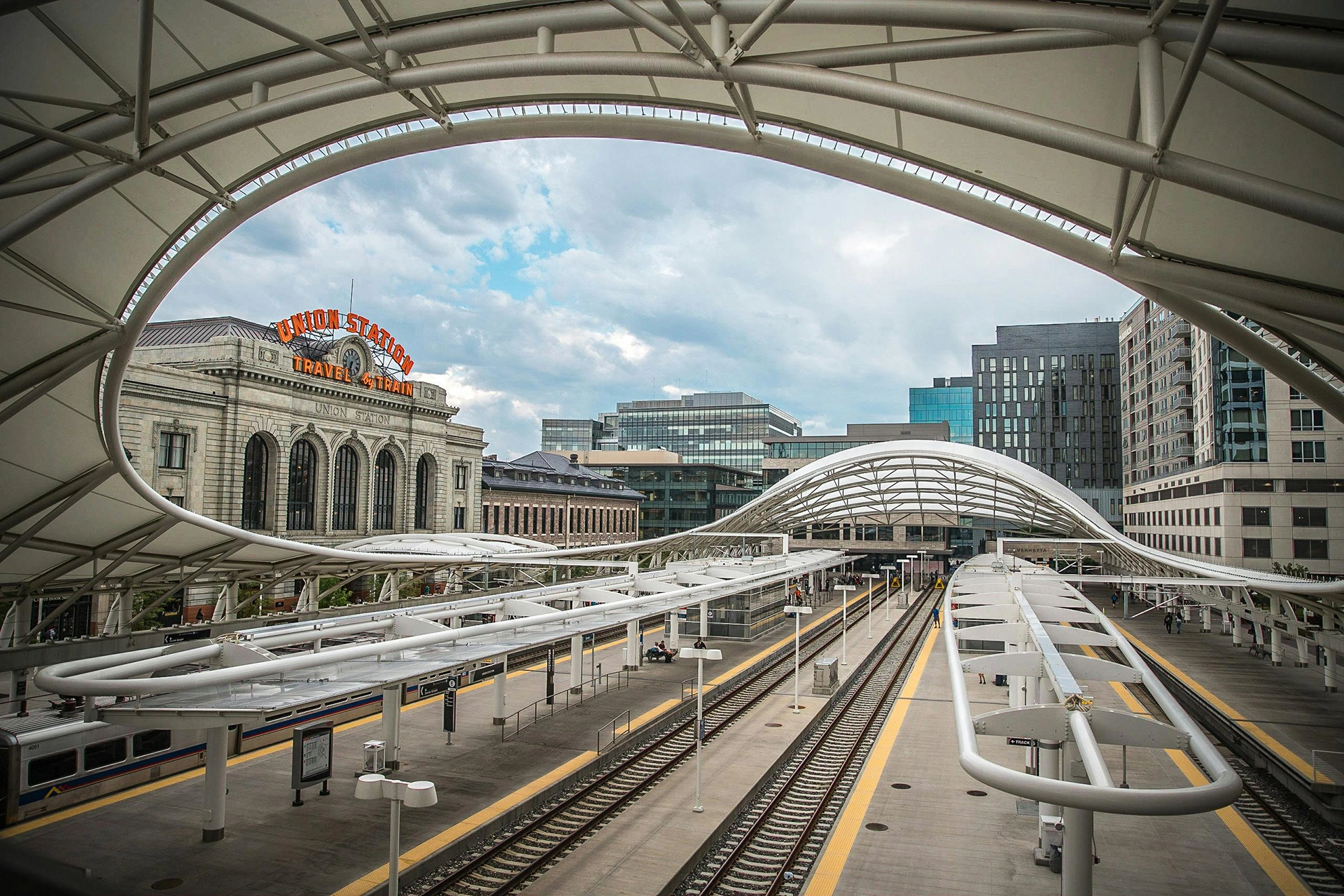
Colorado Property Insurance Claim Attorneys
600 17th St, Ste. 2800 South, Denver, CO 80202
Meetings with attorneys by appointment only.


Texas Property Insurance Claim Attorneys
1000 Main Street Suite 2300, Houston, TX 77002
Meetings with attorneys by appointment only.

In each state, we evaluate claims within the applicable legal and regulatory context, including policy language, statutory requirements, and procedural options. Where pre-suit mechanisms such as notice requirements, mediation, or appraisal are available, we incorporate them into the strategy when appropriate.
Our goal is a disciplined, jurisdiction-aware approach that supports efficient escalation while remaining aligned with the governing law.