
Commercial Property Insurance Claim Attorneys
 (305) 858-2220
Help With Denied or Underpaid Commercial Property Claims
When a commercial property claim is denied, delayed, or underpaid, the financial consequences can extend far beyond the physical damage itself. If you are confronting a denied commercial property claim, an underpaid commercial property claim, or a complex large-loss property claim involving multiple systems or business interruption, you need clarity on what your policy actually provides and what your insurer is obligated to pay. At Kandell, Kandell & Petrie, we are commercial property insurance claim attorneys serving Florida, Louisiana, Colorado, and Texas. We evaluate coverage, identify gaps in the carrier’s position, and structure a disciplined response designed to move the claim toward resolution.
A commercial loss may become a property insurance claim dispute involving coverage, repair scope, valuation, coinsurance penalties, ordinance or law coverage, tenant improvements, inventory or equipment losses, business income, or proof-of-loss requirements. We are structured intentionally as a boutique firm so you receive direct attention from an experienced legal team. At the same time, our trial readiness creates leverage. Carriers assess risk at every stage, and our preparation signals that delay and underpayment tactics will be addressed strategically.
Once retained, we take over the entire insurance process. We manage carrier communications, coordinate with engineers and forensic accountants when needed, and guide the claim through defined stages, often resolving matters before litigation while remaining prepared if escalation becomes necessary.
If your commercial claim is stalled or undervalued, we encourage you to contact us so we can evaluate your position and determine the most effective path forward.
When a Commercial Claim Turns into a Dispute
A commercial property claim becomes disputed when the insurer denies coverage, delays a decision, or takes a position on scope or valuation that the policyholder believes does not reflect the policy or documented loss. We frequently see denied commercial property claims grounded in policy exclusions, deductible interpretations, or arguments that the loss falls below applicable thresholds. In other situations, the claim is technically approved but materially reduced, resulting in an underpaid commercial property claim driven by scope limitations, depreciation methodology, or disagreements between actual cash value (ACV) and replacement cost value (RCV).
Disputes also emerge through delay and inconsistency. Commercial policyholders may encounter prolonged coverage determinations, repeated re-inspections, or shifting explanations for partial payment. Large-loss property claims are particularly susceptible to valuation conflicts involving structural systems, tenant improvements, inventory/equipment, or business interruption components.
Additional pressure points include:
- Co-insurance penalty assertions:
Where the carrier contends the property was underinsured and applies a formula that reduces recovery. - Ordinance or law coverage limitations:
Where code-upgrade requirements are excluded or narrowly interpreted despite available endorsement support. - Proof of loss challenges:
Where documentation is scrutinized or rejected on technical grounds. - Scope and valuation disputes:
Where engineers, adjusters, and estimators reach materially different conclusions about repair methodology and cost.
Commercial property policies are contracts written by insurers. The language, structure, and endorsements are drafted to define and limit exposure. When a disagreement arises, the issue is contractual and analytical. Our role as commercial insurance claim lawyers is to evaluate how the policy is written and applied, and whether the carrier’s position aligns with the contractual obligations it issued.
Our methodical approach allows us to move the discussion from assertion to analysis. By identifying where interpretation diverges from contractual language, we position the claim for strategic resolution, often before litigation becomes necessary, and with trial readiness available if it does.
Types of Commercial Losses We Handle
Commercial property losses are rarely simple. They often involve layered damage, operational disruption, and competing interpretations of coverage across multiple policy provisions. Our commercial property insurance claim attorneys focus on complex, high-value matters where documentation, valuation, and strategy materially affect recovery. Our work frequently involves coordinating engineers, estimators, forensic accountants, and valuation experts to present a disciplined and fully supported claim.
Below are examples of the types of commercial losses we handle:
- Storm, wind, hail:
Wind-driven rain, roof system compromise, façade damage, and water infiltration frequently give rise to disputes over causation and scope. We analyze weather data, inspection findings, and repair standards to address coverage limitations and underpayment strategies. - Water intrusion and plumbing failures:
Pipe bursts, long-term leaks, and interior water migration often lead to disagreements over whether the damage is sudden or gradual, tear-out coverage, and mold-related limitations. We evaluate policy language carefully and structure documentation to support the full scope of repair. - Fire and smoke damage:
Fire losses typically involve structural repairs, code upgrades, smoke remediation, and business interruption components. These claims often require coordinated engineering assessments and careful financial analysis. - Theft and vandalism:
Commercial theft and vandalism losses can implicate inventory/equipment valuation, security conditions, and proof of loss documentation. We work to make sure that valuation methodologies are contractually aligned and properly supported. - Large-loss/multi-system events:
Major events may simultaneously affect roofing systems, electrical infrastructure, HVAC, interiors, and operational continuity. Large-loss property claims frequently generate scope and valuation conflicts that require expert coordination and precise presentation. - Inventory, equipment, and tenant improvements:
Commercial policies often address business personal property, permanently installed tenant improvements, and specialized equipment. We assess valuation clauses, depreciation approaches, and replacement cost provisions to determine whether the claim has been underpaid. - Ordinance or law coverage issues:
When building codes require upgrades during repairs, disputes may arise over coverage for such upgrades. We review endorsements and code-triggering conditions to evaluate whether additional coverage applies.
These losses frequently intersect with financial components such as business interruption and extra expense claims. To properly document those elements, we coordinate with forensic accountants and valuation professionals who analyze historical revenue, operating expenses, and restoration timelines. Engineers and estimators provide technical assessments to support repair methodology and cost.
We represent condominium associations, retail operations, hospitality properties, warehouses, and multi-tenant commercial properties across Florida, Louisiana, Colorado, and Texas. In each matter, we apply a structured approach that aligns technical documentation, financial analysis, and policy interpretation, positioning the claim for strategic resolution while remaining fully prepared if escalation becomes necessary.
Common Commercial Claim Pitfalls and How We Prevent Them
Commercial property claims often turn on documentation, valuation methodology, and strict compliance with policy conditions. Even property owners can encounter obstacles when a carrier scrutinizes submissions or applies technical provisions narrowly. As commercial property insurance claim attorneys, we focus on challenging improper denials or underpayments and on preventing avoidable weaknesses in the claim presentation.
Below are common pitfalls we address, and how we structure the claim to prevent them:
- Incomplete proof of loss submissions:
A proof of loss is more than a form; it is a formal statement of the amount claimed. When damage is not fully documented with photographs, repair estimates, inventory lists, and supporting financial records, insurers may reduce or reject portions of the claim. We oversee structured documentation so that the submission aligns with policy requirements. - Co-insurance penalty application:
Many commercial policies contain a co-insurance clause requiring the insured to maintain coverage equal to a specified percentage of the property’s total value. If the property is underinsured relative to that benchmark, the carrier may apply a formula that reduces the payout. We analyze declared values, coverage limits, and valuation methodology to determine whether a co-insurance penalty has been properly calculated or misapplied. - Underinsuring property relative to declared value:
Commercial properties evolve. Improvements, additions, and rising construction costs can create valuation gaps. We assess whether coverage limits accurately reflect replacement cost and whether the carrier’s valuation approach is contractually sound. - Code and ordinance upgrades overlooked:
When a damaged building must be brought into compliance with current building codes or zoning regulations, the additional costs can be substantial. If ordinance or law coverage support exists, it must be properly invoked and documented. We review endorsements carefully to determine whether upgrade costs are covered and how they should be presented. - Business interruption and extra expense underdocumentation:
Income loss claims require disciplined financial analysis. Without detailed revenue history, expense records, and restoration timelines, business interruption and extra expense components may be minimized. We coordinate with forensic accountants to structure financial submissions that withstand scrutiny. - Deductible and valuation misunderstandings:
Commercial policies may contain percentage-based deductibles or layered deductibles tied to specific perils. Disputes also arise over replacement cost versus actual cash value calculations. We evaluate deductible structure and valuation provisions to determine whether the carrier’s payment methodology aligns with the policy. - Carrier-demanded appraisal disputes:
Appraisal is a contractual process intended to resolve valuation disagreements, but it can be invoked strategically. We assess whether appraisal is appropriate, premature, or being used to limit broader coverage discussions.
Early involvement materially reduces these risks. When engaged at the outset of a commercial claim, we implement structured documentation oversight, coordinate engineers and estimators where necessary, and evaluate financial components before they are submitted. Our approach is disciplined and demand-focused: we present a supported position first, pursue structured pre-suit resolution where available, and maintain trial readiness if escalation becomes necessary.
By addressing technical vulnerabilities before they are leveraged against you, we position the claim on stable contractual footing, reducing uncertainty and strengthening the path toward resolution.
Business Interruption and Extra Expense Claims
Physical damage is only part of a commercial loss. For many businesses, the greater financial exposure arises from operational disruption. Business interruption coverage is designed to address that impact, yet these claims are frequently contested over valuation methodology and documentation standards. We evaluate these components carefully to make sure that the financial dimensions of the loss receive the same disciplined attention as the structural damage.
Business interruption coverage often includes:
- Lost income:
Revenue the business would have earned had the covered loss not occurred, measured against historical performance and reasonable projections. - Continuing operating expenses:
Fixed costs that persist during the period of restoration, such as rent, utilities, and contractual obligations. - Payroll:
Wages necessary to retain key employees or maintain operations. - Temporary relocation costs:
Expenses incurred to operate from an alternate location while repairs are underway.
Extra expense coverage operates alongside business interruption. It pays for necessary, additional, and reasonable costs incurred to avoid or minimize a business shutdown following covered physical damage. These costs may include expedited repairs, equipment rentals, temporary facilities, or operational adjustments intended to reduce revenue loss.
The complexity of these claims cannot be overstated. Calculating business interruption and extra expense involves layered analysis, including historical financial performance, projected revenue, depreciation, seasonality, and allocation of shared costs. These assessments can be highly technical and, at times, subjective, particularly when projecting future earnings or apportioning expenses between covered and non-covered components.
To support these claims, we coordinate with forensic accountants who quantify economic damages, including business interruption, inventory loss, and extra expense. Their analysis translates financial records into structured calculations that align with policy language and withstand insurer scrutiny. We oversee this process so that documentation is consistent, defensible, and strategically presented.
Because these losses often represent a significant portion of a large-loss property claim, disciplined financial documentation is essential from the outset.
How We Handle Commercial Property Insurance Claims
When you retain us as your commercial property insurance claim attorney, we implement a structured, stage-based process designed to create clarity and leverage. Large-loss property claims require disciplined evaluation from the outset.
Our approach is organized, strategic, and designed to resolve disputes efficiently while remaining prepared should escalation become necessary:
- Policy and endorsement review:
We begin with an analysis of the base policy and all endorsements, including ordinance or law coverage and valuation provisions. We evaluate deductible structures and coverage limits to determine their impact on recovery. This means that our strategy is grounded in the contract itself rather than assumptions. - Strategy development:
We reconstruct the claim timeline and assess inspections, communications, and payment history to identify inconsistencies or delay patterns. When appropriate, we coordinate engineers, estimators, and forensic accountants to support technical and financial components. We also oversee documentation, including proof-of-loss submissions and inventory/equipment records, so that the claim is precisely presented. - Pre-suit resolution focus:
We initiate representation with a formal letter and structured demand, opening direct dialogue with the carrier. Where state law provides for statutory notice, mediation, or appraisal, we evaluate whether those mechanisms are appropriate. Many commercial disputes resolve at this stage, avoiding unnecessary litigation while preserving leverage. - Trial-ready from day one:
Our preparation signals that we are positioned to advance the matter if resolution is not achieved. Carriers assess litigation exposure carefully, and trial readiness influences how a denied or underpaid commercial property claim is evaluated. If filing becomes necessary, we proceed efficiently and avoid prolonging the process without purpose. - Structured client communication:
Our work unfolds across defined benchmarks, including intake, pre-suit strategy, alternative dispute resolution, and litigation if required. We provide milestone updates through structured systems and communicate directly by phone and email at key stages.
Through this staged, disciplined approach, we take over the insurance process end-to-end. Whether the matter involves a denied commercial property claim, an underpaid commercial property claim, or a dispute involving business interruption or a co-insurance penalty, we structure the path forward with clarity and trial-ready precision.
Strategic Representation for High-Value Commercial Claims
Commercial property disputes demand disciplined analysis and deliberate execution. Once hired, we take over the insurance process from start to finish, managing carrier communications, coordinating experts, and structuring the claim through defined stages. Clear benchmarks guide each phase of the matter, reducing uncertainty and allowing you to focus on operations while we handle the dispute.
At KKP, we prioritize pre-suit resolution whenever possible, using structured demand strategies and available statutory mechanisms to move the claim toward efficient resolution. At the same time, we remain trial-ready from day one. That readiness creates meaningful leverage and means that, if escalation becomes necessary, the matter proceeds with precision rather than delay.
We are built for decision-makers who expect clarity, accountability, and experienced counsel. If your commercial claim has been denied, delayed, or underpaid, we invite you to schedule a consultation to discuss your position. Early evaluation can materially influence strategy and the path forward.
Frequently
Asked Questions

An underpaid commercial property claim often stems from scope reduction, depreciation methodology, or the application of valuation provisions such as actual cash value versus replacement cost. In large-loss property claims, insurers may also assert co-insurance penalties or limit payment based on their interpretation of the policy language. We review the policy, endorsements, and payment history to determine whether the carrier’s calculation aligns with its contractual obligations. If it does not, we structure a formal response designed to pursue the remaining amounts owed.
A co-insurance penalty is a contractual provision that reduces claim recovery when the insured has not maintained coverage equal to a required percentage of the property’s replacement value. If the policy limit falls below that percentage at the time of loss, the insurer may apply a proportional reduction formula, effectively requiring the business to share in the loss. Disputes often arise over how replacement value was calculated and whether the formula has been applied correctly. We analyze valuation methodology and policy language carefully to determine whether the penalty is contractually justified.
Business interruption and extra expense claims are calculated by reconstructing the financial impact of the loss over the restoration period. This typically involves reviewing historical financial performance, projecting lost revenue, and identifying continuing operating expenses that persisted during disruption. Because these calculations can be complex and technical, we often coordinate with forensic accountants to quantify economic damages in a structured, defensible manner. Our role is to make sure the financial presentation aligns with policy terms and withstands insurer scrutiny.
States Served
We represent clients in property insurance disputes across multiple jurisdictions, with experience navigating the state-specific frameworks that govern claim handling, pre-suit procedures, and dispute resolution.
While the core issues in insurance disputes often follow similar patterns, the process and available remedies can vary depending on where the property is located and which laws apply.
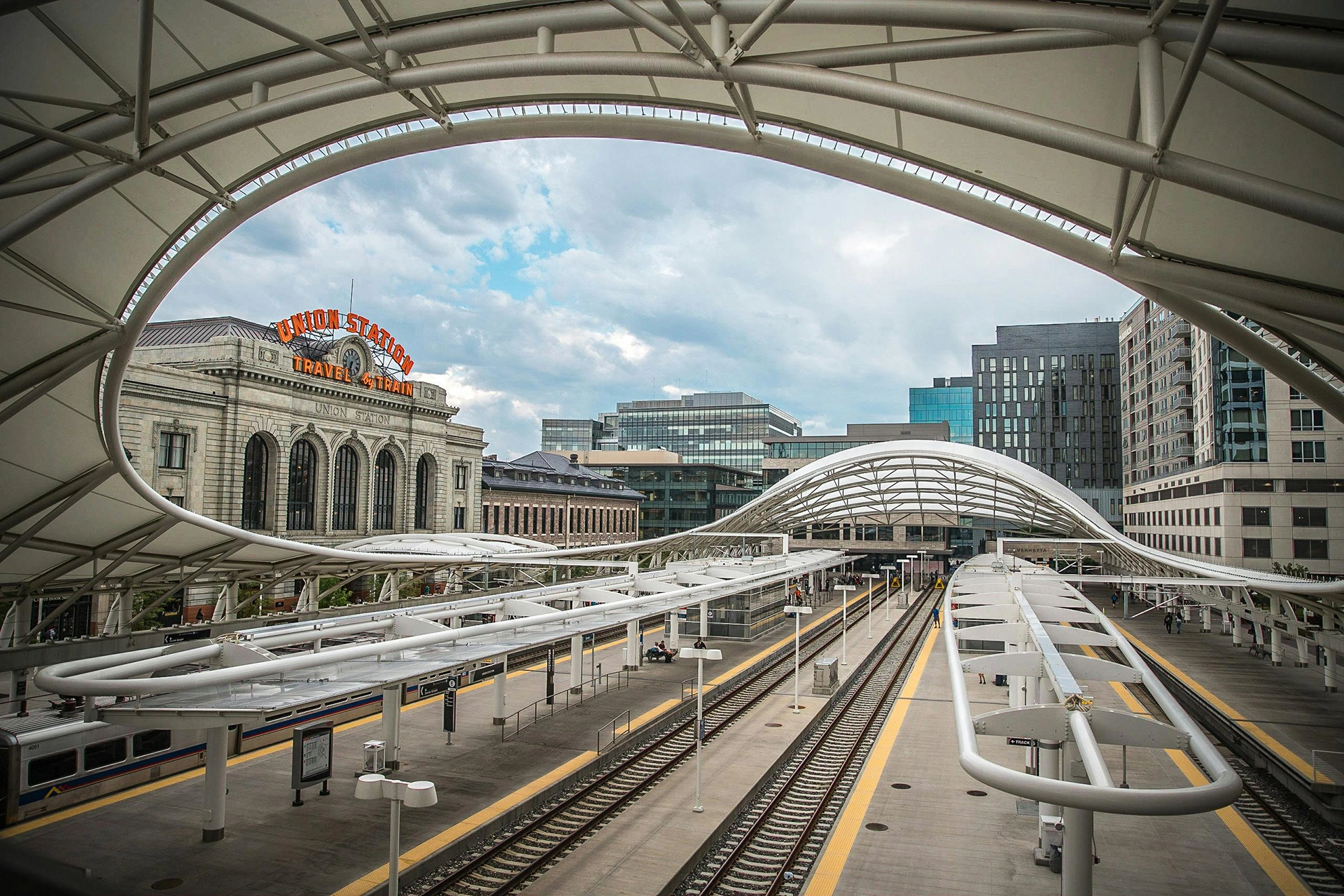
Colorado Property Insurance Claim Attorneys
600 17th St, Ste. 2800 South, Denver, CO 80202
Meetings with attorneys by appointment only.


Texas Property Insurance Claim Attorneys
1000 Main Street Suite 2300, Houston, TX 77002
Meetings with attorneys by appointment only.
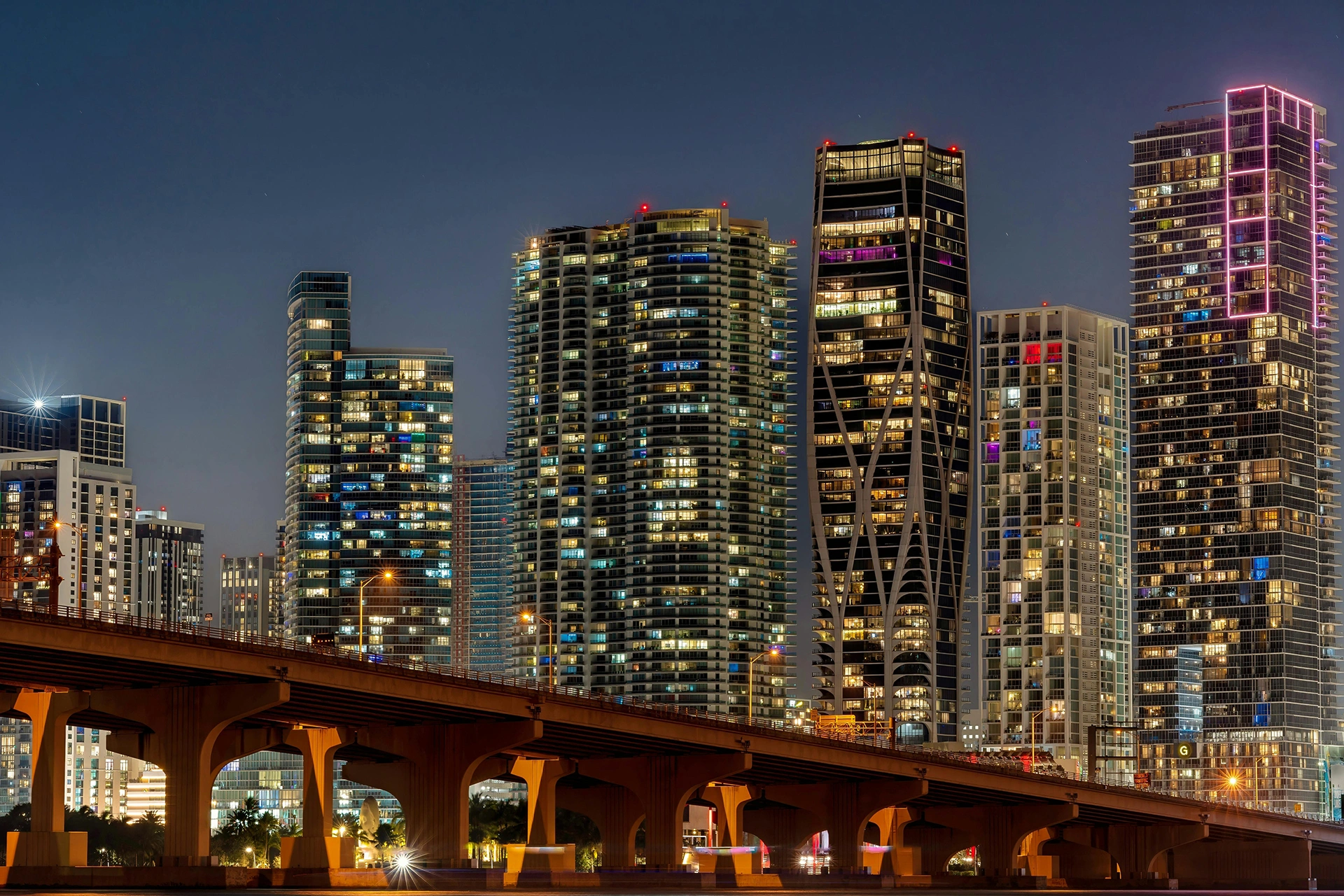

In each state, we evaluate claims within the applicable legal and regulatory context, including policy language, statutory requirements, and procedural options. Where pre-suit mechanisms such as notice requirements, mediation, or appraisal are available, we incorporate them into the strategy when appropriate.
Our goal is a disciplined, jurisdiction-aware approach that supports efficient escalation while remaining aligned with the governing law.