
Wind Damage Insurance Claim Attorneys
 (305) 858-2220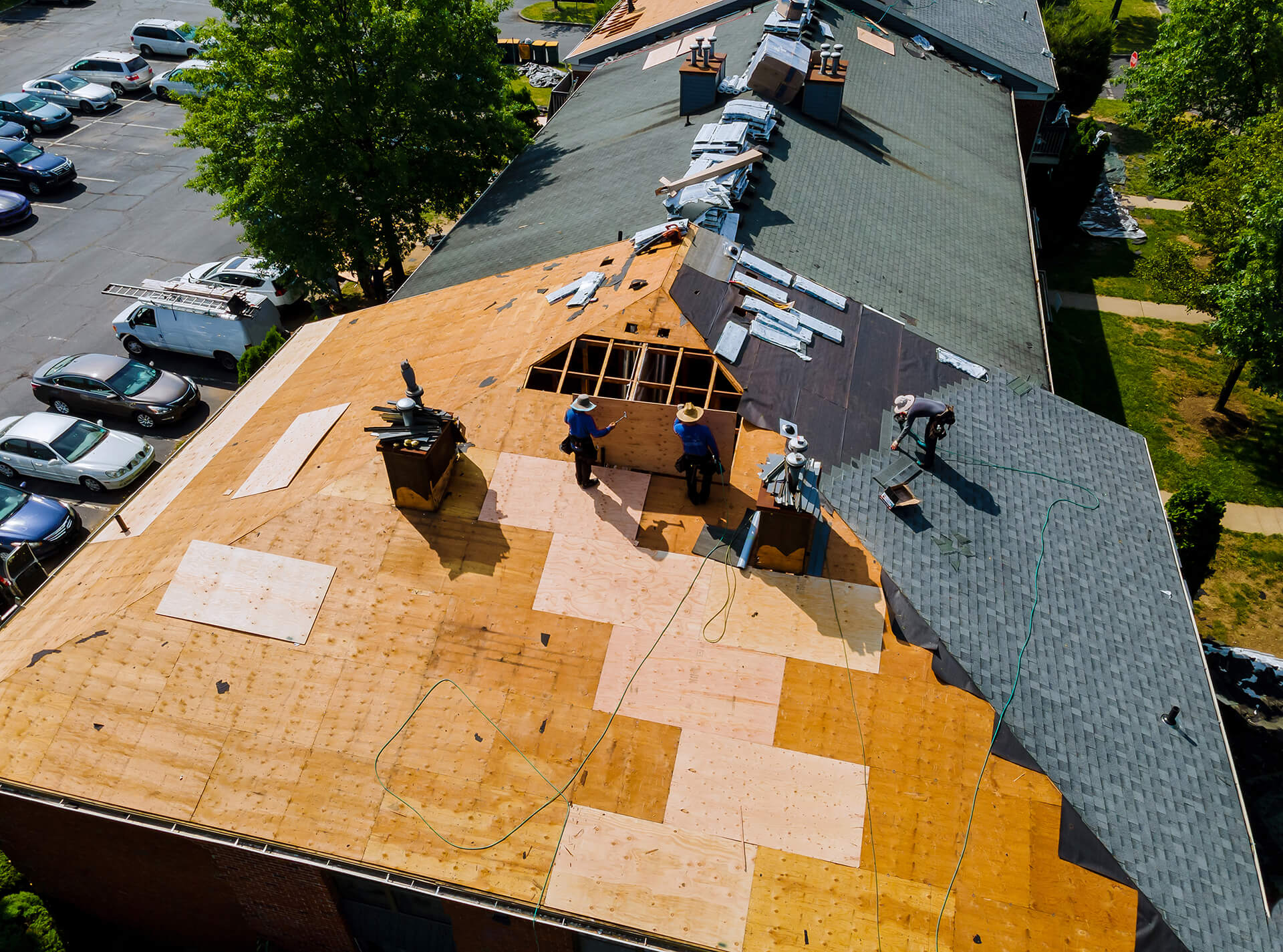

Help With Denied or Underpaid Wind Damage Claims
Wind damage claims can arise from straight-line winds, severe thunderstorms, tropical systems, hurricanes, or other wind events. How the claim is classified and which deductible or policy provisions apply depends on the cause of loss, the policy language, and the circumstances of the storm. Wind damage may also be part of hurricane and named-storm insurance claims, although different deductibles or policy provisions may apply.
Wind-related claims commonly include:
- Roof and exterior damage, such as lifted or missing shingles, compromised flashing, displaced siding, or other components of the building envelope
- Structural damage caused by high winds, where wind forces lift, tear, or break exterior elements
- A water damage insurance claim may involve interior damage when wind creates an opening that allows rain to enter.
- Temporary repairs and mitigation, including measures taken to prevent further damage after the wind event
Disputes often arise when insurers classify wind-related damage as wear and tear, maintenance, or cosmetic damage, or when they limit the loss to a portion of the property. Policy exclusions and deductible confusion, such as between standard and named storm deductibles, can also affect claims.
Many denied or underpaid wind damage claims hinge on the distinction between direct physical loss and resulting damage. When this distinction is interpreted too narrowly, policyholders may be left with unresolved claims that require further review.
When a wind damage claim is denied or underpaid, KKP reviews the policy, the insurer’s written position, inspection findings, repair scope, photographs, and available weather context to determine whether the dispute involves causation, coverage, or the amount owed.
If you have a denied windstorm claim, a partially paid roof claim, or unresolved coverage questions, please contact us to discuss next steps. As wind damage insurance claim lawyers, we assess whether the carrier’s position aligns with your policy and if further action is warranted.
Why Wind Damage Claims Get Denied or Underpaid
Many wind damage insurance claim disputes or denials focus on the insurer’s interpretation of causation, scope, and policy language, rather than the existence of damage. Technical details and documentation gaps can significantly impact claim outcomes.
Common reasons for denied or underpaid windstorm claims include:
- Wear and tear or installation defect allegations:
Insurers frequently attribute roof or exterior damage to long-term deterioration rather than wind forces. This is especially common in wind damage roof claims involving lifted or missing shingles, characterized as age-related; flashing or fasteners described as improperly installed; and exterior components labeled as maintenance issues rather than wind-related damage. These determinations are highly fact-specific and depend on how the damage is documented and framed. - Pre-existing condition arguments:
Another frequent issue is the claim that the condition existed prior to the reported wind event. In these cases, the carrier may rely on prior inspections, aerial imagery, or generalized assumptions about roof age to limit or deny coverage, even when wind-related changes are present. - Insufficient proof of wind causation:
Wind claims rise or fall on causation. A denied wind damage claim may result when the insurer concludes that documentation does not clearly connect the observed damage to wind or straight-line winds. This can occur when the initial inspection focuses narrowly on visible damage, interior damage is evaluated without tying it back to wind-created openings, and weather data or timing is not meaningfully addressed. - Partial scopes of loss and omitted line items:
An incomplete estimate may lead to an underpaid insurance claim when covered components or necessary repairs are omitted. Common omissions include damaged decking or underlayment not included in the estimate; flashing, vents, or roof-edge components excluded from repair; and code-required items omitted from the valuation. Even when some payment is issued, missing line items can leave significant portions of the damage unresolved. - Adjuster turnover and repeated inspections:
Wind claims may involve multiple inspections. Adjuster turnover can create inconsistency in how damage is assessed, particularly when new adjusters are unfamiliar with prior findings, earlier documentation is not fully incorporated, or later inspections narrow the scope without addressing earlier observations. This lack of continuity can materially affect claim outcomes. - Deductible confusion:
Disputes also arise from misunderstandings about which deductible applies. In some cases, insurers apply a named storm deductible to losses from non-named wind events, reducing or eliminating payment when a standard deductible would be more appropriate.
These issues show that wind damage disputes are usually documentation-driven. A structured evaluation based on the policy, claim history, and full scope of damage often determines whether a claim is resolved.
What to Do After Wind Damage
After wind-related damage, focus on preserving documentation and reducing future disputes. The goal is to maintain a clear record of events, changes, and claim handling.
After wind damage:
- Document the damage promptly: Capture the property’s condition before cleanup or repairs alter the condition that can be evaluated. Photograph and video exterior and roof areas where safely accessible. Note visible indicators such as lifted or missing shingles, displaced components, or new openings. Record interior impacts, including any water intrusion tied to wind-related openings. Keep dated notes on when damage was first observed and how it progressed.
- Complete reasonable mitigation and temporary repairs: Most policies require steps to prevent further damage, even during claim evaluation. Tarp or seal compromised areas as needed. Stabilize loose exterior components. Avoid permanent repairs until you have documented the pre-repair condition, unless safety requires immediate action.
- Preserve proof of costs and work performed: Maintain a clear paper trail to avoid disputes. Save invoices, receipts, and contractor proposals. Keep photos of repairs and materials, and log dates, vendors, and work completed.
- Track claim milestones and inspections: Wind claims often involve several steps. Keep a timeline of key dates, adjuster assignments, inspections, and communications. Save all emails, letters, estimates, reports, and note any reinspections or engineer reports.
- Request written explanations for decisions and scope: If you receive a payment, denial, or partial determination, ask for a written breakdown of included and excluded items. Request the basis for any wear-and-tear, pre-existing condition, or installation-defect findings. For partial payments, request the rationale for the omitted repairs.
Use our proof of loss and documentation checklist to organize photographs, estimates, receipts, reports, and insurer communications. This checklist helps keep your claim record organized and defensible, especially if a windstorm claim is denied or a roof claim is underpaid.
How We Evaluate Wind Damage Disputes
When a wind damage insurance claim is denied, limited, or underpaid, clarity comes from a structured process. We use a framework to identify where interpretation, documentation, or scope diverged and determine next steps before considering escalation.
Our evaluation typically includes the following core components:
- Policy review:
We examine the coverage, exclusions, and deductibles applicable to wind-related damage. This includes assessing whether limitations, such as wear-and-tear exclusions, are applied consistently with the policy language, and whether a named-storm deductible has been correctly triggered in a non-named wind event. - Analysis of the insurer’s position:
We review the carrier’s estimate, denial letter, or partial payment to understand how the insurer evaluated causation and scope. This step often reveals whether key line items were excluded, minimized, or supported by generalized conclusions rather than claim-specific findings. - Claim timeline and inspection history:
We map the sequence of inspections, adjuster involvement, and communications. In many windstorm claims denied or underpaid, adjuster turnover or repeated inspections play a role in narrowing the scope. - Damage documentation review:
We analyze photos, videos, and repair records to assess whether the documented damage aligns with wind-related forces, including roof and exterior conditions such as lifted or missing shingles, as well as interior conditions consistent with water intrusion tied to wind-created openings. - High-level weather context when relevant:
When timing or causation is disputed, we review available weather information at a high level to confirm that wind conditions were present in the area. This step is used to support context, not to replace technical experts or overstate meteorological conclusions.
This structured approach is deliberate. Most disputes over denied or underpaid wind damage claims are documentation-driven. By reviewing the policy, claim record, and scope together, we reduce uncertainty and determine if further steps, such as reinspection, appraisal, or pre-suit resolution, are appropriate.
Resolution Paths for Wind Damage Insurance Disputes
If a wind damage insurance claim remains unresolved after initial adjustment, the resolution path depends on the dispute’s nature, policy language, and claim record. Escalation is not automatic; we evaluate each case and pursue the most suitable option.
The resolution paths we consider typically include the following:
- Demand and structured pre-suit discussions:
We begin with a formal demand and structured communication with the carrier, grounded in the policy and documented loss. Many denied or underpaid windstorm claims are resolved at this stage, once coverage positions are clarified and inconsistencies are addressed. - Appraisal for amount-of-loss disputes:
If coverage is accepted but the amount is disputed, the appraisal process may address disagreements over scope and cost. Appraisal addresses only the amount of loss, not causation or coverage, and is considered if it is likely to resolve remaining questions. - Alternative dispute resolution:
Depending on the policy and jurisdiction, mediation or arbitration may be available before litigation. These processes can address technical disagreements without the cost and complexity of court proceedings. - Litigation when necessary:
If pre-suit efforts do not resolve the dispute, litigation may be appropriate. We approach litigation strategically, recognizing that trial readiness can influence negotiations and carrier risk assessments, often leading to resolution before trial.
At every stage, our focus is on resolving the dispute efficiently and appropriately based on the facts, not on escalation for its own sake.
Request a Structured Review of Your Wind Damage Claim
If your wind damage insurance claim was denied, underpaid, or limited in scope, the next step is usually a structured review, not immediate escalation. We examine the policy, claim history, and how coverage and causation were applied, so you can understand the issues and available options.
When you retain KKP, we manage the entire insurance process, including communication with carriers and dispute resolution.
Contact us to request a review of the policy, claim history, and insurer’s position and to discuss what options may be available.
Frequently
Asked Questions

A wind damage insurance claim may be denied when the insurer concludes the damage resulted from aging, deferred maintenance, or pre-existing conditions rather than a specific wind event. This often occurs in roof claims, where lifted or missing shingles are attributed to deterioration rather than wind-related forces.
A partial payment may not reflect the full scope of loss. In many underpaid wind damage roof claims, the next step is to document omitted repairs, get independent estimates, and assess if the insurer’s valuation matches the policy. The claim may then be reopened, supplemented, or reviewed for further resolution.
Interior water damage may be covered when wind damages the roof, wall, window, or another part of the structure and allows rain to enter. Coverage depends on the policy language and evidence connecting the interior damage to the wind-created opening.
Appraisal is typically considered when coverage is not disputed, but the amount of the loss is. If the disagreement centers on valuation rather than whether wind caused the damage, the appraisal clause may provide a mechanism to address pricing and scope differences.
Wind disputes are documentation-driven. Key materials often include photos and videos of exterior and roof damage, records showing the condition before and after the wind event, professional repair estimates, and any reports generated during inspections or reinspections. These documents help clarify whether a windstorm claim denial or underpayment decision accurately reflects the observed damage.
States Served
We represent clients in property insurance disputes across multiple jurisdictions, with experience navigating the state-specific frameworks that govern claim handling, pre-suit procedures, and dispute resolution.
While the core issues in insurance disputes often follow similar patterns, the process and available remedies can vary depending on where the property is located and which laws apply.

Colorado Property Insurance Claim Attorneys
600 17th St, Ste. 2800 South, Denver, CO 80202
Meetings with attorneys by appointment only.


Texas Property Insurance Claim Attorneys
1000 Main Street Suite 2300, Houston, TX 77002
Meetings with attorneys by appointment only.

In each state, we evaluate claims within the applicable legal and regulatory context, including policy language, statutory requirements, and procedural options. Where pre-suit mechanisms such as notice requirements, mediation, or appraisal are available, we incorporate them into the strategy when appropriate.
Our goal is a disciplined, jurisdiction-aware approach that supports efficient escalation while remaining aligned with the governing law.