
September 13, 2026
Roof Damage Claims: When the Insurer Says Wear and Tear
Latest Post
Hurricane Isaias Property Damage: Next Steps for Your Claim
October 13, 2026
What Happens After an Insurance Claim Denial? A Step-by-Step Guide for Policyholders.
September 13, 2026

Resolve Before Litigation: Demand Letters, Notices of Intent, Mediation, and Appraisal in Insurance Disputes
September 13, 2026

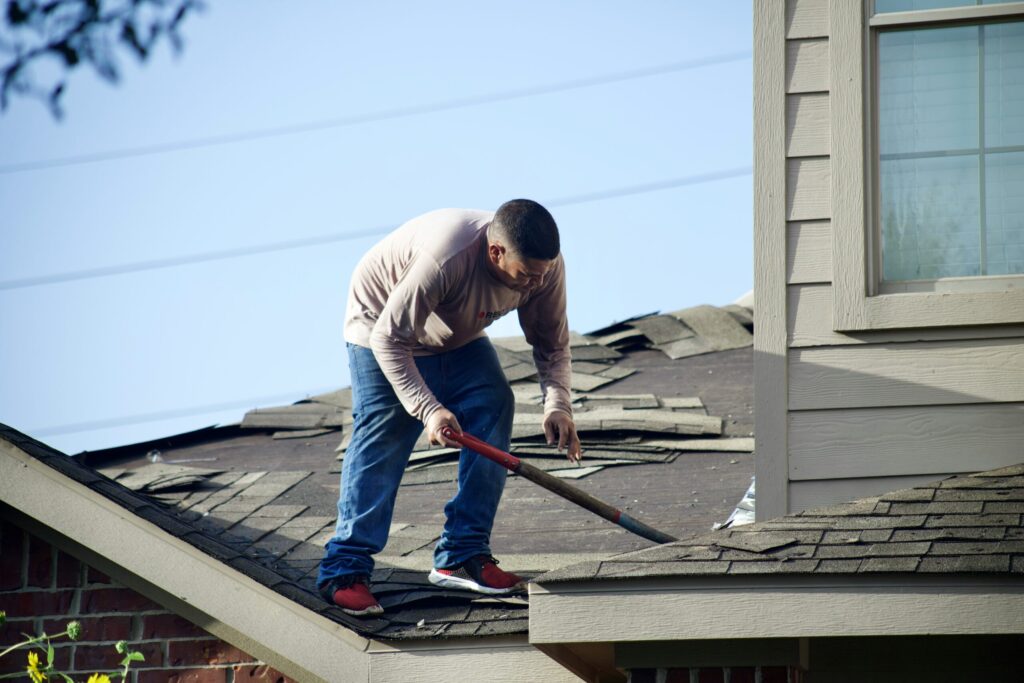
A roof damage wear-and-tear insurance claim turns on one question: did a sudden event damage the roof, or did the roof simply get older? When the carrier’s answer comes back as wear and tear, the claim closes on causation rather than on coverage. That is an opinion about cause, formed from a site visit and a set of photographs, and it can be tested against the policy, the weather record, and an independent inspection.
The distinction carries the whole claim. Sudden, accidental damage from a covered peril is generally payable. Gradual deterioration is generally treated as maintenance and excluded from the analysis. Where an adjuster draws that line determines whether the payment covers a full replacement, a partial repair, or nothing at all.
If your roof claim was closed on a wear-and-tear finding, contact Kandell, Kandell & Petrie to have the policy, the denial letter, and the carrier’s inspection reviewed against the storm record. Our practice covers property insurance claim disputes in Florida, Louisiana, Colorado, and Texas.
Why Wear and Tear Is the Most Contested Roof Claim Denial
Property policies cover sudden physical loss: hail that bruises or fractures shingles, wind that lifts and tears them, a limb that punctures the deck. What those events share is a moment of occurrence. Wear and tear exclusions remove the opposite category, deterioration that accumulates without any single event causing it.
The difficulty is that an aging roof and a storm-damaged roof can present similar surface conditions. Granular loss, curling, brittleness, and cracking appear on old roofs and on struck roofs alike, and an adjuster standing on the slope has to assign them to one cause or the other. A roof damage wear-and-tear insurance claim gets denied when the assignment lands on aging, and the reasoning behind it is rarely spelled out in the denial letter.
Storm Damage vs. Wear and Tear: Why the Distinction Decides the Claim
The storm damage vs. wear-and-tear line determines approval, the payment amount, and who pays for the repair.
Held at a high level, the difference is straightforward:
- Wear and tear: Gradual condition change from age, ordinary weathering, or deferred maintenance. No single event caused it, and standard policies exclude it as an owner responsibility.
- Storm damage: Physical damage tied to an identifiable event on an identifiable date. Wind damage vs. wear-and-tear roof disputes turn on shingle displacement and seal failure. Hail damage vs. wear-and-tear roof disputes turn on impact marks, mat fracture, and directional consistency across slopes.
Policy language governs the outcome, and exclusions vary between forms. Some policies also carry cosmetic damage exclusions or shift roof payments to actual cash value based on age, which changes the number even where coverage applies. Related disputes appear on our wind damage insurance claims and hail damage insurance claims pages.
Signs a Wear-and-Tear Denial Deserves a Closer Review
Some denials reflect an accurate reading of an aging roof. Others reflect an inspection that stopped short.
A roof claim denied on wear and tear is worth a second look when any of the following applies:
- Storm timing was left unaddressed: The denial makes no reference to the date of loss or the weather record for that location.
- The estimate does not match the damage: Documented damage exceeds what the carrier’s scope accounts for.
- Adjusters gave different explanations: A re-inspection produced a different rationale than the first inspection.
- The denial letter is vague: It cites an exclusion without identifying which observed conditions support it.
- Contractor findings conflict with carrier findings: A licensed roofer identified storm-consistent damage the adjuster did not record.
- Only partial repairs were approved: The carrier paid for isolated slopes while assigning the rest to age.
What Evidence Helps Challenge a Wear-and-Tear Denial
Contesting a causation finding takes documentation that ties damage to an event.
The record that carries the most weight includes:
- Photographs from before and after the loss: Prior listing photos, inspection reports, and drone imagery establish the roof’s condition going into the storm.
- Weather data for the date of loss: The NOAA Storm Events Database documents hail size, wind speed, and event dates by county.
- A roofing contractor’s report: A licensed roofer’s written assessment of damage patterns, seal condition, and repairability.
- The carrier’s inspection notes and photos: Requested from the file, these show what the adjuster recorded and what the adjuster skipped.
- A timeline of roof condition and storm events: Installation date, repair history, and the sequence since.
- Maintenance records: Invoices and service records that contradict a deferred maintenance theory.
- Storm damage nearby: Approved claims on comparable roofs in the area indicate whether the event caused damage there.
What to Avoid After a Wear-and-Tear Denial
A few decisions after the denial make the dispute harder to advance than it needed to be.
Avoid the following:
- Discarding materials before documenting them: Removed shingles are physical evidence of the failure mode. Photograph and retain them before disposal.
- Relying on verbal explanations: An adjuster’s phone call is not a coverage position. Request the reasoning and the inspection report in writing.
- Accepting the denial without reading the policy: The exclusion cited has specific wording, and that wording, along with any ensuing loss provision, controls the analysis.
- Leaving mitigation undone: Policies obligate the policyholder to prevent further damage. Temporary repairs are appropriate and should be documented and receipted.
- Letting notice deadlines run: Florida Statute § 627.70132, for example, bars a claim unless notice reaches the carrier within one year of the date of loss, and sets 18 months for supplemental claims. Deadlines differ across the four states.
How We Evaluate a Roof Wear-and-Tear Dispute
Property insurance disputes are our firm’s primary practice area, and a causation file gets built in a set order. Our review starts with the policy: the covered perils, the wear-and-tear exclusion as written in that form, any cosmetic damage or roof payment endorsement, and any ensuing loss language. Then the denial letter, read for what the carrier committed to in writing and what it left unstated.
From there the file is assembled against the event: damage photographs, the carrier’s inspection notes and estimate, the weather record for the date and location, an independent roofing assessment where the carrier’s scope is in question, and the repair the roof actually requires. The result is a documented position on causation rather than a disagreement.
Once retained, our team takes over the carrier correspondence entirely, so re-inspection scheduling, engineer report responses, and estimate exchanges no longer land on the property owner. These disputes resolve on the strength of that record and on the carrier’s read of what would happen if it reached a courtroom. Our trial results inform that calculation, which is why most of these files resolve before suit is filed.
Frequently Asked Questions
The following questions most often come up from property owners with a wear-and-tear denial. Outcomes depend on the policy language and the facts of the loss.
Can Insurance Deny a Roof Claim for Wear and Tear?
Yes. Standard property policies exclude loss caused by wear and tear and deterioration, so an insurance denied roof claim wear and tear finding is a legitimate use of the policy when the facts support it. The question is whether the facts do. The denial rests on an adjuster’s conclusion about cause, and that conclusion can be contested with a competing assessment and the weather record.
How Do I Prove Roof Damage Was Caused by a Storm?
Three things work together: weather data confirming an event of sufficient intensity at that location on that date, photographic evidence of the roof’s condition before and after, and a professional assessment identifying damage patterns consistent with wind or hail rather than aging. A wind-damage vs. wear-and-tear roof dispute often turns on seal failure and displacement patterns that a licensed roofer can document.
What if the Insurer Says My Roof Is Too Old?
Some policies pay roof losses at actual cash value once a roof reaches a certain age, which reduces the payment by depreciation. Carriers may also decline to renew based on roof condition, though Florida Statute § 627.7011 bars nonrenewal on roof age alone for roofs under 15 years old, or where an authorized inspector finds 5 or more years of useful life remaining. Age by itself does not establish that a storm caused no damage.
Can I Dispute a Partial Roof Repair Payment?
Yes. A partial payment is a scope-and-valuation position, and scope positions are contestable. The mechanism is generally a supplemental claim supported by an independent estimate showing the repair the roof requires, plus a review of whether depreciation was correctly applied.
Does Appraisal Help if the Insurer Says Wear and Tear?
Usually not, though it depends on how the carrier framed its position. Appraisal resolves the amount of loss, not whether the loss is covered, so a full denial on causation generally falls outside it and belongs before a court. Where the carrier concedes some covered damage but assigns the rest to weathering, Florida courts have allowed appraisal panels to reach causation as part of measuring the loss. Our insurance appraisal clause and appraisals page covers that provision.
Should I Get a Second Inspection?
In most cases, yes. An independent inspection by a licensed roofing contractor or engineer produces a written record from someone the carrier did not retain, and these inspections routinely identify damage the first one did not capture. The report also gives a specific factual basis for disputing the finding, which carries further than general disagreement.
Speak with a Property Insurance Attorney About a Wear-and-Tear Denial
A wear-and-tear finding closes the carrier’s file on the theory that no covered event caused the damage. Whether that theory holds is an answerable question, resting on the policy language, the storm record, and the results of an independent inspection. Property insurance disputes are the only cases our firm handles, across Florida, Louisiana, Colorado, and Texas, and from the moment of retention every communication with the carrier runs through our team. More is on our denied insurance claims page and in our guide on what to do after a denied roof claim.
To have a roof damage wear-and-tear insurance claim reviewed, request a case review with Kandell, Kandell & Petrie or call 305-858-2220.