
October 13, 2026
Hurricane Isaias Property Damage: Next Steps for Your Claim
Latest Post
Hurricane Isaias Property Damage: Next Steps for Your Claim
October 13, 2026
What Happens After an Insurance Claim Denial? A Step-by-Step Guide for Policyholders.
September 13, 2026

Resolve Before Litigation: Demand Letters, Notices of Intent, Mediation, and Appraisal in Insurance Disputes
September 13, 2026

Hurricane Isaias made landfall near Destin around 9:30 p.m. on Friday, October 9, 2026, as a Category 2 storm with sustained winds of 105 mph. Gusts reached 116 mph in parts of Escambia and Santa Rosa Counties.
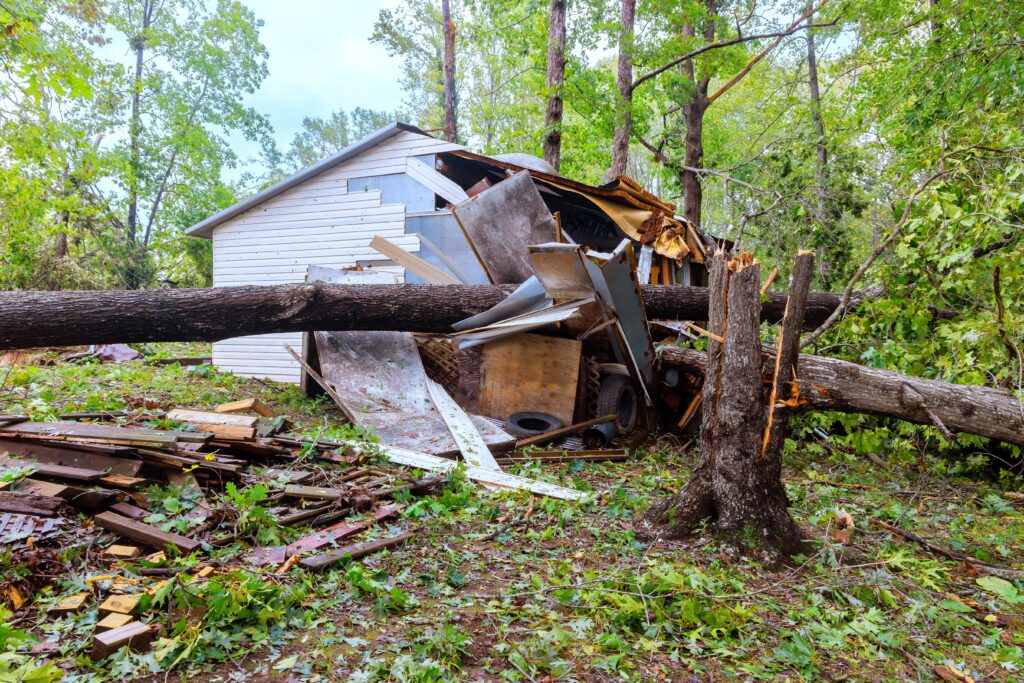
Across the Florida Panhandle, property owners are now walking through buildings that looked different a few days ago, and many are sorting out what comes next.
First, ensure the safety of the people in your building, then document the structure’s condition. Once those are settled, you can prepare and file your property insurance claim. This guide covers what to document, how the Florida process generally works, and when a claim becomes a dispute.
Kandell, Kandell & Petrie is a boutique firm that handles only property insurance disputes, so the team that reviews your policy is the team that handles your claim.
If Isaias damaged your property and the insurance process has stalled or stopped short, contact us to talk through your hurricane and named storm insurance claim.
The Effects of Isaias Across the Panhandle
Early reports of Isaias’s impacts from Pensacola to Destin describe loose roofing, trees on structures, flooded roads, and surge water reaching the coast.
Wind, rain, rising water, and flying debris can all damage one building, and a policy may treat each differently. Wind damage generally falls under a standard property policy, while flood damage usually requires separate flood coverage.
How a carrier classifies a loss can change what a claim pays.
Protect Your Property and Document What You Find
Once your building is safe to enter, your goal is to stop further damage and record what the storm did.
The following steps and documentation can support a Hurricane Isaias claim:
- Temporary repairs: Cover roof openings with a tarp and board up broken windows so rain doesn’t add to the damage. Hold off on permanent repairs until the insurer has inspected the damage.
- Photographs and video: Record the damage before any cleanup and again after temporary repairs. Take wide shots and close-ups, with the date visible when possible.
- Receipts: Keep every invoice and receipt for materials, labor, equipment, lodging, and other storm-related costs.
- Damaged contents: Write a room-by-room list of damaged items, with a photograph or video of each. Keep items unless they pose a health risk, such as spoiled food or mold-affected materials.
- Policy records: Gather the policy, the declarations page, and any earlier inspection reports or photographs showing the property before Hurricane Isaias.
Report the Claim and Keep a Log
Safety and documentation come first.
After that, these steps keep the claim organized and show what to expect from your insurer:
- Report in writing: Notify your insurer in writing or through its claim portal, so the date of notice is on record.
- Keep a call log: Note the date, the name of each person you speak with, and what was said.
- Expect acknowledgment within seven days: Under Florida Statute 627.70131, the insurer must acknowledge your communication within seven calendar days.
- Watch the 60-day mark: The insurer generally must pay or deny the claim, in whole or in part, within 60 days of receiving notice.
- Look for a written explanation: Any payment or denial should come with a reasonable written explanation.
- Confirm coverage before hiring: Before you sign a contract with a repair company, confirm with your insurer what the policy covers, and hire only licensed contractors.
When a Hurricane Claim Becomes a Dispute
Many claims move forward without difficulty. However, some stall or stop short.
The following signs suggest a claim needs a closer look:
- A denial or partial denial: The carrier cites wear and tear, a prior condition, or an exclusion for storm-related damage.
- A low estimate: The scope omits line items, prices repairs at local costs, or treats a roof system as a patch.
- A wind-versus-flood split: The carrier assigns most of the loss to water damage the policy excludes.
- Repeated re-inspections: A new adjuster visits, and the file moves backward instead of forward.
- Silence: The 60-day mark passes without a payment or a written decision.
In each case, the policy language and the carrier’s estimate are the first documents to read together.
How We Work with Property Owners After a Storm
Our practice covers denied, delayed, and underpaid property insurance claims, including those arising from Hurricane Isaias. We begin the review with the policy, the denial or estimate, your timeline, the damage photographs, and weather data for the storm. From the day you retain us, we handle every interaction with the insurer, so adjuster calls and document requests stop landing on you.
Your Hurricane Isaias claim will move through defined stages: evaluation, pre-suit, alternative dispute resolution, and litigation if needed. You’ll hear from us at each stage through automated milestone updates and direct phone and email contact, and you’ll receive copies of the key documents we send to the carrier. You won’t need to ask for updates.
Most claims we handle resolve before a lawsuit is filed, through a demand letter, direct dialogue with the carrier, mediation, or appraisal. Our trial results shape those conversations, and our litigation cases rarely run past a year. Outcomes depend on the policy and the facts of each loss.
Speak with a Property Insurance Attorney in the Florida Panhandle
A damaged property, a stack of paperwork, and an insurer’s first response can be a lot to handle when dealing with the aftermath of Hurricane Isaias. From the day you retain us, we take over the claim and every conversation with the carrier. You can talk through your situation with the team that will handle it.
Contact Kandell, Kandell & Petrie or call 305-858-2220 to discuss your Hurricane Isaias property damage claim.