
July 30, 2024
Plumbing Damage and Insurance Coverage: What Colorado Homeowners Need to Know
Latest Post
Hurricane Isaias Property Damage: Next Steps for Your Claim
October 13, 2026
What Happens After an Insurance Claim Denial? A Step-by-Step Guide for Policyholders.
September 13, 2026

Resolve Before Litigation: Demand Letters, Notices of Intent, Mediation, and Appraisal in Insurance Disputes
September 13, 2026

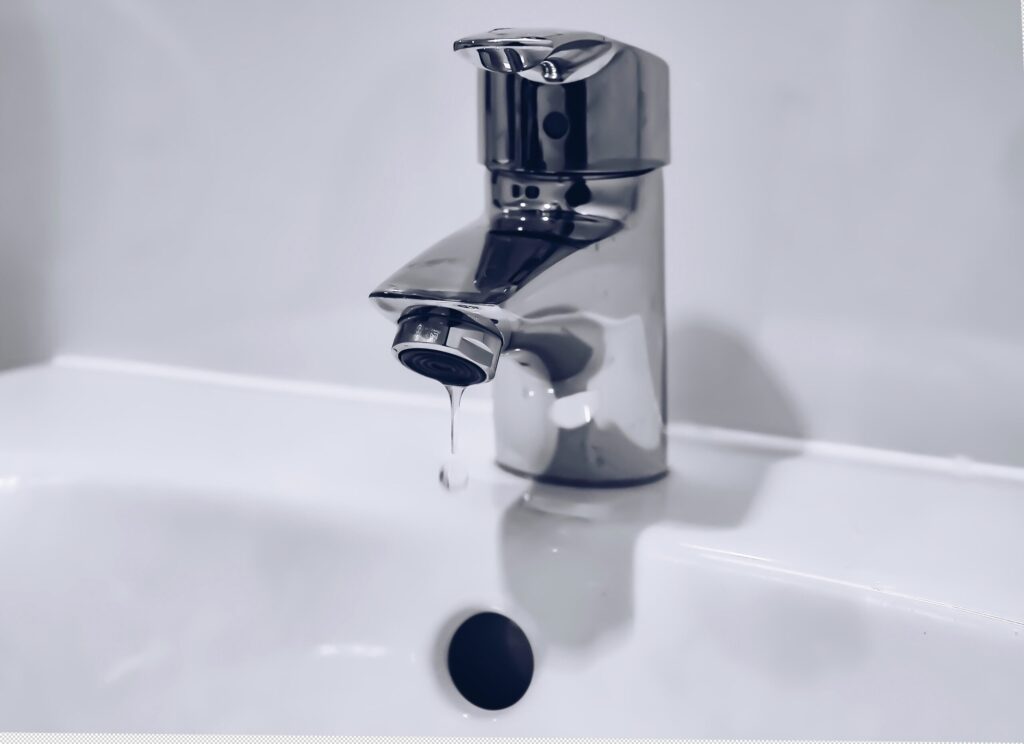
Plumbing damage can strike unexpectedly, and when it does, it causes significant disruption and costly repairs for homeowners. What’s more, not all plumbing-related damage is covered by insurance.
Understanding your insurance coverage for plumbing and water issues is crucial in mitigating these expenses and protecting your home. In this article, we’ll discuss what homeowners in Colorado need to know when filing an insurance claim for plumbing damage. Specifically, we’ll discuss:
- Common reasons for plumbing claim denials in Colorado
- Reasons why you need to pay attention to your house
- How to document plumbing damage to support your insurance claim
- Ways to know if your plumbing damage claim was unfairly denied or underpaid
If you have questions or need immediate support for your water damage insurance claim, contact our team of experienced insurance law attorneys at Kandell, Kandell & Petrie today.
Common Reasons for Plumbing Damage Claim Denials in Colorado
When it comes to water damage, homeowners insurance policies can get quite murky. For Colorado residents, some water damage claims may be covered, others will not be, and rarely are policy exclusions easily understood by the insured. To that end, it becomes especially important for homeowners to review their coverage and pay attention to their homes, especially for signs of plumbing damage.
Water Damage Exclusions
Insurance companies in Colorado are quick to deny plumbing damage claims by asserting that they fall as an exclusion under the policy. Water damage is among the most nuanced provisions in homeowners’ policies, and misinterpretation can be a big source of frustration for owners.
Examples of water damage exclusions you might find in your insurance policy include:
- Long-term water leakage or seepage – One of the most common plumbing damage exclusions is language that disavows coverage for long-term, constant or repeated leakage or seepage of water. If you have a pipe leaking and it goes on for a long time, it is not covered.
- Damage from ongoing or unresolved maintenance issues – Similarly, if maintenance has been neglected, the plumbing damage claim may be denied.
- Water/sewer backups – Damage caused by backups in municipal sewer lines or septic systems is typically not covered unless additional water backup coverage has been purchased. This exclusion comes with some grey area, however, as “sewage” and “sewer backup” can be a bit of a misnomer. People often refer to any human waste water as “sewage,” but the actual legal determination for the excluded sewage/sewer backup in some insurance policies is either a backup originating outside the property line (e.g., in the municipal sewer) or one originating in a septic system. Additionally, a break or clog in the home’s on-premises plumbing system even if it’s after a drain is also typically covered unless there’s a plumbing exclusion or limit on the policy. That means clogged toilets and clogged sewer lines that run away from the toilet or laundry and result in an accidental sewage discharge iscovered unless there’s a plumbing exclusion or limit.
- Flood damage – This one is also tricky as there are often two different things people call “flood.” The actual definition of flood as covered by National Flood Insurance Program (NFIP) policies through FEMA and federal law is “an amount of water outdoors on the ground that damages the house.” This type of flood is typically excluded from homeowner’s insurance policies.
A second way homeowners, contractors, and the general public often use the term “flood” is when they are referring to a lot of water in their house from a roof leak or plumbing leak. This type of water damage is covered by property insurance, and should not be referred to as a “flood” when speaking with your insurance company. They may respond by saying, “Oh you said you had a flood and flood isn’t covered!”
Policy exclusions can make for an easy out for insurance companies, but not all plumbing damage is excluded. Pay attention to your house and become familiar with your insurance policy so you can ensure you’re protected.
Monitor Your Maintenance List
As a Colorado property owner, you likely have an ongoing list of maintenance to-dos. We know as well as the next person how easy it can be to let some of these less urgent tasks slide. The problem is if they slide too long, it could spell trouble for your home and cause significant headaches for you when you go to file your water damage claim.
Why?
Because one of the most common exclusions in homeowner’s insurance policies is language that disavows coverage for long-term, constant or repeated leakage or seepage of water. That means an ongoing pipe leak or one that gradually develops due to poor maintenance and upkeep could mean your plumbing damage claim will be denied by your insurance company.
Here in Colorado, many insurance companies have provisions that are slightly different but similarly worded – if you have a pipe leaking and it goes on for a long time, it won’t be covered.
Pay Attention to Your House
Keeping close tabs on things like your water bill can be a good indicator of plumbing problems. So, too, is general awareness of your home. Consider preventive maintenance a priority so if you do notice water, you can take action right away. If it’s significant enough to cause damage to your home, don’t wait to report it to your insurance company.
Ensure Sufficient Documentation to Support Your Claim
To ensure your plumbing claim is approved in Colorado, it’s imperative to understand your policy and maintain good documentation. For example, if you end up with water damage from a leaking pipe, you may be able to get documents like a water bill that would show a sudden water spike around the time of your alleged leak.
Additionally, if you’ve had recent maintenance or inspections done at your property, these professionals may also be able to attest to your home’s condition. In general, plumbing damage claims are only covered during sudden and accidental events. To appeal your claim denial, you’ll need to prove that your damage was not caused by an ongoing problem.
How to Know if Your Plumbing Damage Claim Was Unfairly Denied or Underpaid
Water damage claims are often not as straightforward as other types of insurance claims, though don’t get us wrong, homeowners can run into issues with all types of property damage claims. Plumbing damage, however, is particularly nuanced because most policies come with a long list of policy exclusions. Insurance companies are more than happy to point to them as a means of denying your claim. While some exclusions may very well apply to your situation, not all do. So how are you to know if your claim was justifiably denied?
Review Your Insurance Policy
The best place to start is by reviewing your insurance policy in detail. Getting clarity on what is and isn’t covered will help you best strategize on your next steps. Insurance companies often cite policy exclusions for certain types of plumbing damage, including those caused by gradual leaks, poor maintenance, flooding, or sewer backups.
Could Your Insurance Company Be Acting in Bad Faith?
If, after reviewing your policy, you believe your plumbing damage claim was unfairly denied or underpaid, it may be because your insurance company was acting in bad faith. Bad faith insurance is when an insurance company fails to fulfill its obligations to the policyholder in a fair and reasonable manner. Generally, just having your claim denied or being in a dispute over a payment is not enough to pursue bad faith litigation in Colorado, but there are situations in which suing your insurance company may be the right path to follow. If they apply exclusions in an unreasonable manner or ignore facts that support the claim, these are examples of bad faith practices.
To prove bad faith, it’s crucial to document all communications with your insurance company. Hang on to letters, emails, texts and claim documentation. Keep records of phone calls and any other interactions you have with your provider. It can also be useful to gather third-party opinions from experts such as engineers or contractors. These experts can provide insights into the damages and the insurer’s handling of the claim, which can strengthen your case.
Contact Us at Kandell, Kandell & Petrie Law for Help
Water and plumbing damage claims can be frustrating for homeowners because there are many policy exclusions. If you have questions about your water damage insurance claim or believe you’ve been treated unfairly by your insurance company, don’t hesitate to contact professionals like our experienced legal team at Kandell, Kandell & Petrie. We have more than 50 years of combined legal expertise and are here to ensure you receive the relief you deserve for your water damage insurance claim in the greater Denver area and throughout Colorado. Call us today to speak with one of our Denver claims advisors.