
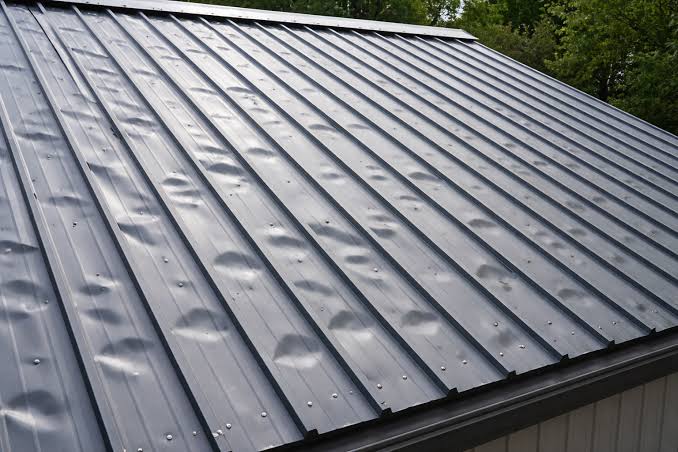
September 13, 2026
Does a Hail Damage Claim Raise Home Insurance Rates? What Homeowners Should Expect.
Latest Post
Hurricane Isaias Property Damage: Next Steps for Your Claim
October 13, 2026
What Happens After an Insurance Claim Denial? A Step-by-Step Guide for Policyholders.
September 13, 2026

Resolve Before Litigation: Demand Letters, Notices of Intent, Mediation, and Appraisal in Insurance Disputes
September 13, 2026

Filing a hail claim can affect what you pay at renewal, but a single storm claim is rarely the reason a premium moves on its own. Rate changes are driven by the insurer’s underwriting model, the loss history of your region, your own claims record, and the rules of the state your policy was written in.
Those rules are not the same across states. Whether hail claims raise insurance rates gets a different answer in Texas than it does in Colorado. In Texas, the states that home insurers cannot charge more for claims caused by natural events, or for claims the company declined to pay. In Colorado, the Division of Insurance notes that no law addresses whether a carrier may decline to renew a policy after a hail storm. Same peril, two regulatory environments.
In practice, what the carrier does with the claim itself matters more than the premium question.
If a hail claim has been denied, underpaid, or stalled, the policy language and the adjuster’s findings are worth a close read. Contact Kandell, Kandell & Petrie to discuss your claim.
Can a Hail Claim Affect Your Insurance Rates?
Premiums respond to several inputs at once, and separating them after the fact is difficult. Location, regional storm frequency, roof age and material, the insurer’s reinsurance costs, and your claims history all feed the number on the renewal notice.
A rate change that follows a hail claim is often not a surcharge on that claim. It is the loss of a claims-free discount, a regional rate filing that moved for everyone in the county, or a scheduled change to the wind and hail deductible. Carriers also pull claims history from a shared industry database, which means a reported loss follows the property rather than the policy, even after a change of carrier.
Some property owners see no change at all after a weather claim. Anyone quoting a fixed percentage increase for a hail claim is describing one insurer’s model.
Why Hail Claims Are Treated Differently from Other Losses
Hail is a regional peril. One storm can damage several thousand roofs in a single afternoon, which is why insurers frequently designate large hail events as catastrophes and evaluate the resulting exposure across an entire territory rather than file by file.
That distinction matters for how hail damage insurance claim rates behave. Underwriters generally treat a catastrophe loss differently from a preventable or maintenance-related one, and several states draw that line in statute. In Louisiana, for example, La. R.S. § 22:1265 excludes a loss arising from an act of nature that occurs without human intervention from the claim count that permits nonrenewal, though that provision does not apply to policies issued after August 1, 2024.
The regional character of hail cuts the other way as well. When a territory absorbs repeated severe seasons, rate filings for that territory rise regardless of whether any individual policyholder reported a loss.
Should You Avoid Filing a Hail Claim to Protect Your Premium?
Deferring a claim to protect a renewal rate carries risks that usually outweigh the savings.
Unrepaired hail damage does not stay contained to the roof surface. Fractured shingle mats, bruised underlayment, and compromised flashing gradually admit water, and the resulting interior damage often occurs after the window to report the original loss has closed. Carriers also raise late reporting as a defense, arguing that delay prevented an accurate inspection.
Reporting deadlines are shorter than most property owners expect. Florida Statute § 627.70132, for example, bars a claim unless notice reaches the insurer within one year of the date of loss, and bars a supplemental claim after 18 months, with the date of loss for a weather event set by NOAA verification. A property owner who waits a season to see whether the roof holds can lose the claim entirely.
The reasonable exception is a small loss. If a contractor estimate lands under your deductible, or close to it, filing produces no payment and still creates a claims history entry. Percentage deductibles make this more common than it sounds, which is why the wind and hail deductible on the declarations page is the first figure to check.
What Happens if the Insurer Denies or Underpays the Hail Claim
Insurance carriers can deny claims for various reasons.
Most disputed hail files fall into a short list of carrier positions:
- No hail damage found: The adjuster reports no impact damage, or reports that the marks observed are not consistent with hail. This is a causation dispute, and it turns on inspection method and storm data rather than policy language.
- Damage attributed to age or wear: Granule loss, blistering, and thermal cracking are common on aging roofs, and carriers frequently classify hail bruising as one of those conditions.
- Payment too low to complete the repair: The claim is accepted, but the estimate omits scope, applies heavy depreciation, or prices materials that no longer match what is installed. These become underpaid insurance claims rather than outright denials.
- The deductible absorbs the payout: A low estimate combined with a percentage deductible can reduce a legitimate loss to zero payable dollars.
- Collateral damage overlooked: Gutters, downspouts, vents, soft metals, screens, siding, and window wraps are routinely omitted from the first estimate.
- Cosmetic characterization: Some policies carry cosmetic damage exclusions that remove appearance-only damage from coverage. The dispute is usually whether the damage has shortened the roof’s service life.
A carrier’s first position is not its final one. Strong trial results change what a carrier is willing to reconsider, and most hail files resolve before anyone files suit.
What Documentation Supports a Hail Damage Roof Claim?
The outcome of a hail file usually tracks the record built early.
The following items carry the most weight:
- Dated photographs and video: Wide shots establishing the property and close shots showing individual impact marks, with a reference object for scale.
- The storm date and verification: NOAA and National Weather Service records confirming hail at the property’s location, including reported stone size.
- An independent inspection: A licensed contractor or engineer report identifying impact points, test squares, and the affected slopes.
- The carrier’s estimate and adjuster report: The full estimate, so line items and depreciation can be examined.
- Notes on every affected component: Roof field and ridge, gutters, vents, siding, soft metals, and window screens, documented separately.
- Repair estimates from the market: Pricing that reflects what local contractors charge for the materials actually installed.
When to Speak with a Property Insurance Attorney
The moment to involve counsel is when the carrier’s explanation no longer matches the physical evidence. That includes a denial citing no hail damage on a roof where an independent inspection found impacts; an estimate that omits documented components; a file that has sat through repeated reinspections without a coverage decision; and any denied insurance claim in which the stated reason shifts between letters.
Property insurance disputes are our firm’s focus. That focus matters for hail files because the argument is technical, turning on inspection methodology, storm data, and the distinction between impact damage and weathering. From the day we are retained, all carrier communication runs through us. You stop arguing causation with an adjuster, and the file moves through defined stages with the record built for whatever forum it reaches.
Frequently Asked Questions
The following are common questions from property owners weighing whether to report hail damage, and from those whose claim has already been disputed.
Will My Rates Go Up After a Hail Claim?
Possibly, though the answer depends on your state and your insurer. Texas, for example, prohibits home insurers from charging more for weather-related claims and for claims the company did not pay. Other states leave the question to the carrier’s filed rating plan. An increase at renewal is often due to a regional rate change or the loss of a claims-free discount, rather than a surcharge tied to your file.
Should I File a Hail Claim for Minor Damage?
If a contractor estimate comes in under your deductible or close to it, filing produces no recovery and still records a claim. The caution is that hail damage is frequently more extensive than a ground-level look suggests, and reporting deadlines are short. Get an independent inspection before deciding the loss is minor.
What if the Insurer Says There Is No Hail Damage?
Request a written reinspection and ask for the adjuster’s full report and photographs. An independent contractor or engineer inspection, paired with NOAA storm verification for the property’s location, is what moves that position. Appraisal is generally not the route for this dispute, because most policies limit appraisal to disagreements over the amount of loss rather than whether damage occurred.
Can I Dispute a Denied Hail Claim?
Yes. A denial is the carrier’s position, and the available paths depend on the policy and the state. Depending on the file, that can mean a supplemental submission with new evidence, a statutory pre-suit notice, mediation, appraisal where the dispute is over amount, or litigation.
What if My Deductible Is Higher Than the Hail Claim Payment?
When the covered loss falls under the deductible, the carrier does not issue payment, and the repair cost is yours. The point worth checking is whether the carrier’s estimate is accurate, since a scope that omits components or applies excessive depreciation can push a legitimate claim under a percentage deductible that would otherwise have paid.
Can Hail Damage Be Considered Cosmetic?
Only where the policy contains a cosmetic damage exclusion or endorsement, which is not on every form. Texas, for example, permits a roof cosmetic damage endorsement to be attached only to a risk receiving premium credit for an impact-resistant roof covering. Where such language applies, the dispute usually centers on whether the damage affects the roof’s function and remaining service life rather than only its appearance.
Speak with a Property Insurance Attorney About a Hail Claim
If a hail claim has been denied, reduced, or left open through repeated inspections, the carrier’s file and the policy language are worth reviewing before you accept the result. Our practice is limited to hail damage insurance claims and other property insurance disputes across Florida, Louisiana, Colorado, and Texas, and we take over communication with the carrier from the day we are retained.
Call 305-858-2220 or request a case review with Kandell, Kandell & Petrie to discuss where your hail claim stands.